
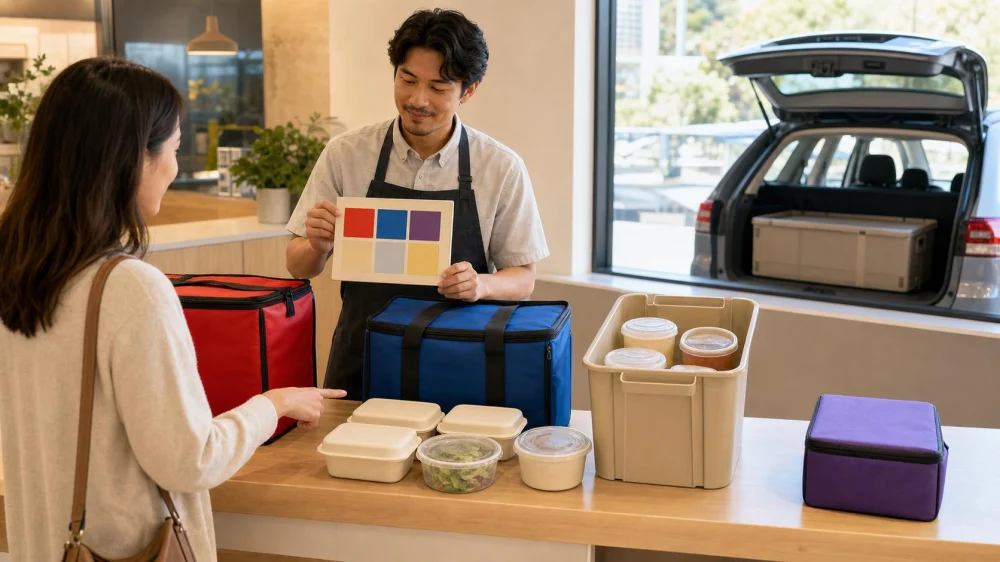
Restaurant Takeout Pickup Checklist: Verify, Pack, and Travel Safely
On this page
- Quick answer
- Place an order that can be verified
- Coordinate pickup timing
- Confirm the correct order
- Check item count without opening food
- Verify dietary and allergen requests
- Separate hot, cold, crisp, and liquid items
- Secure food in the vehicle
- Go directly to the destination
- Check the order on arrival
- Report missing or incorrect items
- Handle leftovers safely
- Pickup checklist
- Frequently asked questions
- Next steps
Quick answer
At takeout pickup, confirm the restaurant, customer name or order number, item count, beverages, sauces, sides, utensils, and special instructions before leaving. Do not open sealed food containers at the counter unless staff directs you; ask the restaurant to verify sensitive allergy orders through its own process.
Keep hot food separate from cold food, liquids upright, fried food vented as packaged, and raw or chilled items cold. Place bags on a stable, washable surface in the vehicle rather than a seat or lap, then travel directly to the destination. On arrival, match items to the receipt, photograph any error, and contact the restaurant promptly through the original ordering channel.
Legends Pizza Co.
CupertinoSanta Clara CountyCalifornia
19732 Stevens Creek Blvd, Cupertino, CA 95014, USA
Place an order that can be verified
Use the restaurant’s official phone, website, app, or approved marketplace. Confirm the location because chains and similarly named restaurants can have multiple nearby branches.
Enter a consistent customer name and reachable phone number. Save the confirmation and note whether payment is complete or due at pickup.
Choose modifiers from the ordering system rather than placing critical requests only in a general comment. Call the restaurant for complex allergies or unclear options.
Review quantities, sizes, sides, drinks, sauces, pickup time, address, fees, and tip before submitting. A screenshot can help, but protect payment details.
Coordinate pickup timing
Arrive near the promised time, not so early that the kitchen is rushed or so late that food quality and safe holding suffer.
Check whether pickup is inside, curbside, at a window, from a shelf, or through a host. Follow parking and check-in instructions.
For a large order, call ahead to confirm completion and packaging. Bring a clean insulated carrier if the restaurant permits it.
If delayed, notify the restaurant. Do not ask it to leave perishable food unattended outside.
Confirm the correct order
State the customer name and order number quietly. Verify the restaurant’s receipt or bag label without reading another customer’s information.
For shelf pickup, compare identifiers before touching the bag. Do not inspect or open bags that are not yours.
Confirm the total number of bags, drink carriers, dessert boxes, and separately held cold items. Large orders are often split.
If someone else picks up, give them the exact location, name, number, payment status, and item count without sharing unnecessary account credentials.
Check item count without opening food
Use the itemized receipt and ask staff to count containers from outside. Check obvious shapes and package types without breaking seals.
Confirm small items commonly missed: dressings, dipping sauces, rice, bread, chips, side salads, desserts, beverages, straws, cutlery, napkins, and serving utensils.
Do not squeeze, tilt, or open hot containers. Steam and liquid can burn, and opening can compromise tamper-evident packaging.
For family meals, ask whether one large container represents several listed portions. Package count may not equal menu item count.
Verify dietary and allergen requests
At ordering, tell the restaurant about an allergy using its required process. A preference modifier is not the same as an allergy alert.
At pickup, ask staff to confirm the restaurant’s allergy notation and packaging. Do not rely on visual inspection or removing a topping.
Keep the sensitive meal closed, identified, and separate from other containers where possible. Do not swap lids or move food between boxes.
If the order appears incorrect or unmarked, pause and ask the restaurant to remake or verify it. A person with a serious allergy should not eat food when preparation safety is uncertain.
Separate hot, cold, crisp, and liquid items
Hot entrées can warm salads, sushi, dairy desserts, and cold drinks when packed together. Ask for separate bags or divide them in your insulated carriers.
Keep soups, curries, gravies, and beverages upright. Check that lids are seated without pressing on them. Use a secondary washable bin for leak containment.
Fried food may be packaged with ventilation to release steam. Do not seal vents simply to contain aroma; follow the restaurant’s design.
Keep ice cream, raw seafood, chilled shellfish, cold desserts, and other temperature-sensitive items in an appropriate cold carrier and minimize travel time.
Secure food in the vehicle
Use a flat cargo floor, footwell, or secured crate that keeps bags upright and does not interfere with pedals, steering, visibility, airbags, or exits.
Do not hold hot soup or drinks on a lap. A sudden stop can cause severe burns. Do not let bags slide on a seat.
Keep food away from pets, cleaning chemicals, fuel, sporting equipment, and dirty cargo. Use a clean liner beneath reusable carriers.
Do not eat or adjust bags while driving. Stop safely if a container tips or leaks.
Go directly to the destination
Plan the route before pickup. Combine errands before collecting food, not afterward.
Traffic, weather, parking, elevators, and building access add time. Tell the restaurant if the trip is unusually long and ask which items travel well.
Insulated bags slow temperature change but do not make food safe indefinitely. Separate hot and cold carriers and keep lids closed.
Do not leave takeout in a parked vehicle, even in mild weather. Vehicle temperatures change quickly.
Check the order on arrival
Place bags on a clean stable surface. Wash hands, then compare every item with the receipt before serving.
Open liquids away from people and electronics. Vent hot containers carefully to avoid steam burns.
Check that allergy meals remain identified and separate. Use clean serving utensils and prevent guests from swapping spoons.
Serve promptly. If food will be held, follow safe hot- and cold-holding guidance appropriate to the item.
Report missing or incorrect items
Photograph the receipt, sealed bag, containers, and specific problem without showing card details or people. Keep packaging until the restaurant responds.
Contact the original restaurant or ordering platform promptly. State order number, item, expected modifier, what arrived, and the resolution requested.
Do not eat a disputed allergy item. Do not return opened perishable food unless the restaurant requests and safely accepts it.
Refund, credit, remake, and delivery policies vary. Keep confirmation of the resolution and review the payment account later.
Handle leftovers safely
Refrigerate perishable leftovers promptly in clean shallow containers as appropriate. Follow restaurant and public-health food-safety guidance.
Label the date and contents. Keep sauces and garnishes separate when that preserves quality.
Reheat only the portion needed using cookware and temperatures suitable for the food. Do not repeatedly cool and reheat the whole order.
Discard food that was held at unsafe temperatures, contaminated, leaking from damaged packaging, or otherwise questionable. Smell alone cannot prove safety.
Pickup checklist
- Confirm restaurant location, customer name, number, and payment status.
- Count bags, containers, drinks, desserts, and cold items.
- Check sauces, sides, utensils, and serving tools.
- Verify allergy notation through restaurant staff.
- Keep hot, cold, crisp, and liquid items separate.
- Place food upright in a clean secured vehicle area.
- Travel directly without extra errands.
- Match every item to the receipt on arrival.
- Document and report errors promptly.
- Refrigerate leftovers according to safety guidance.
Frequently asked questions
Should I open every container before leaving?
Usually not. Opening can break seals, release heat, or contaminate food. Ask staff to verify container count and sensitive orders.
Why should hot and cold food be separate?
Heat transfer harms both safety control and quality. Cold salads warm while hot entrées cool and create condensation.
Where should takeout go in the car?
Use a flat, stable, washable area where bags remain upright and cannot interfere with driving or airbags.
What if an allergy meal is not labeled?
Do not guess. Ask the restaurant to verify or remake it through its allergy process before anyone eats.
Who handles a mistake from a delivery marketplace?
Use the contact and resolution process shown in the original order. The restaurant and platform may have different responsibilities.
Next steps
Save the order confirmation, bring clean carriers, and arrive near the pickup time. Count packages, confirm allergy handling, separate temperatures, and secure the food upright. Check everything on arrival and report problems immediately with clear documentation.
This guide provides general pickup and food-handling information. Restaurant packaging, allergy procedures, food-safety requirements, and platform policies vary.

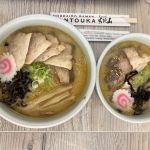 Hokkaido Ramen Santouka4.0 (884 reviews)
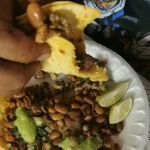 Tacos El Chilanguito4.0 (67 reviews)
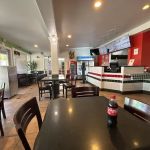 Mazza Pizza n Grill5.0 (95 reviews)
 Tasting House4.0 (174 reviews)
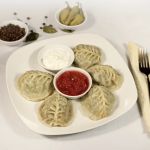 San Jose's Downtown Food Hall4.0 (188 reviews)
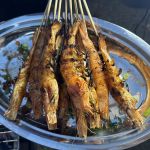 星烤庭 炭火燒烤 Star Chinese BBQ5.0 (5 reviews)
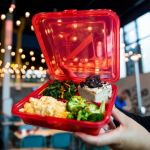 Restaurants Near Me Open Right Now With Easy Takeout Options: Find Quick Meals Near You
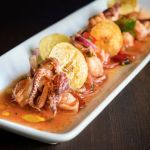 Where to Find Late-Night Restaurants Serving Gourmet Small Plates and Tapas
 How to Find a Quieter Restaurant for Conversation
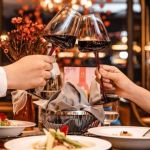 Late-Night Fine Dining: Where to Find Elegant Restaurants Open After Hours
 Best Italian Restaurants Open Late for Midnight Pizza and Pasta Dishes
 Best Restaurants That Fit Into a Busy Daily Schedule for Quick Dining