
Best Restaurants That Fit Into a Busy Daily Schedule Without Losing Dining Quality
- fast-casual-strategy - Understanding modern quick dining options
- time-saving-selection - How to choose efficient restaurants during workdays
- urban-lifestyle-dining - Real examples from busy city routines
- smart-meal-planning - Building flexible eating habits around schedules
- real-world-scenarios - Stories of working professionals and students
How Modern Dining Evolved Around Time Pressure
Daily life in American cities has shifted dramatically over the last decade. Between hybrid work, longer commutes, and packed schedules, eating out is no longer just about enjoyment—it is about efficiency. Restaurants that fit into a busy daily schedule are now designed with speed, accessibility, and consistency in mind, while still trying to preserve flavor and experience.
A decade ago, dining out usually meant sitting down for an hour or more. Today, people expect high-quality meals in under 20 minutes, especially during lunch breaks or between meetings. This shift has led to a new category of food service where operational efficiency is just as important as culinary creativity.
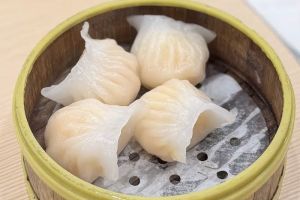
Mayflower Seafood Restaurant
MilpitasSanta Clara CountyCalifornia
428 Barber Ln, Milpitas, CA 95035, USA
What Makes a Restaurant Suitable for a Busy Lifestyle
Operational Speed Without Sacrificing Taste
Restaurants that succeed in this space typically rely on streamlined menus. Instead of offering dozens of complex dishes, they focus on refined selections that can be prepared quickly and consistently. This allows chefs to maintain quality while reducing wait times.
A great example comes from fast-casual urban eateries in cities like New York and Chicago, where lunch rush efficiency is treated like a science. Orders are prepped in advance, ingredients are pre-portioned, and staff are trained for rapid execution.

ZENSHI Handcrafted Sushi
San JoseSanta Clara CountyCalifornia
1300 W San Carlos St, San Jose, CA 95126, USA
Location Strategy and Accessibility
Another key factor is location. Restaurants near business districts, transportation hubs, and residential complexes naturally fit into tight schedules. People rarely have time to travel far for a meal during workdays, so convenience becomes a deciding factor.
One office worker in downtown Seattle shared how she consistently chooses a café located exactly two blocks from her office because it guarantees a 12-minute lunch turnaround. Over time, convenience outweighed variety in her decision-making.
Digital Ordering and Predictability
Technology has also changed expectations. Many restaurants now offer mobile ordering, scheduled pickup, and even real-time preparation updates. This removes uncertainty, allowing customers to plan meals precisely within their daily calendar.
Predictability is especially important for professionals who schedule their breaks down to the minute. A delay of even five minutes can disrupt an entire afternoon workflow.
Real-Life Example: The 30-Minute Lunch Rule
A financial analyst working in Manhattan once described what she called the “30-minute lunch rule.” Her office allowed exactly half an hour for lunch, including travel time. She had to choose restaurants that fit within that constraint every single day.
At first, she struggled, often sacrificing meal quality just to stay on schedule. Eventually, she discovered a small group of restaurants that specialized in express lunch menus. These places rotated seasonal dishes but always guaranteed quick service.
This experience reflects a larger trend in urban dining: people are not just choosing restaurants based on taste anymore—they are choosing based on how well the restaurant fits into their life structure.
Types of Restaurants That Work Best for Busy Schedules
Fast Casual Dining Concepts
Fast casual restaurants bridge the gap between fast food and full-service dining. They offer higher-quality ingredients while maintaining a quick service model. Orders are typically placed at the counter or digitally, minimizing wait times.
These restaurants often specialize in bowls, sandwiches, salads, and customizable meals that can be assembled quickly without compromising freshness.
Grab-and-Go Specialty Spots
Grab-and-go establishments have become increasingly popular in dense urban areas. These places prepare food in advance but maintain gourmet-level standards. Customers can walk in, pick up a meal, and leave within minutes.
Many professionals rely on these spots during peak workdays when even 10 extra minutes feel like a luxury.
Cafés with Efficient Flow Design
Modern cafés are also adapting to busy lifestyles by redesigning interior flow. Separate lines for coffee and food, digital payment stations, and pre-packaged meal sections all help reduce congestion.
These improvements make it possible for customers to enjoy a quality meal or coffee break without disrupting their schedule.
How Busy Diners Can Make Smarter Restaurant Choices
Planning Around Peak Hours
One of the simplest strategies is avoiding peak dining times. Eating 30 minutes earlier or later than the usual rush can dramatically reduce waiting time and improve service quality.
Building a Reliable Rotation of Restaurants
Instead of constantly searching for new places, many professionals build a trusted rotation of 3–5 restaurants that consistently meet their time requirements. This reduces decision fatigue and increases predictability.
Using Pre-Ordering Systems
Pre-ordering has become a game changer. Many restaurants now allow customers to schedule pickup times in advance, ensuring food is ready the moment they arrive.
This approach is especially useful for people balancing meetings, childcare, or commuting challenges.
Case Study: The Remote Worker and Lunch Efficiency
A remote software developer based in Austin shared how his lunch habits changed after switching to structured meal planning. Instead of cooking or randomly ordering food, he identified nearby restaurants that fit into his break schedule.
He created a weekly rotation of three reliable spots and used pre-ordering whenever possible. This simple system saved him nearly 45 minutes per day, which he redirected into short walks and personal development.
Balancing Convenience and Dining Satisfaction
While speed is essential, many diners still want quality and enjoyment. The best restaurants that fit into a busy daily schedule manage to balance both by focusing on ingredient quality, efficient service systems, and thoughtful menu design.
Interestingly, customer satisfaction often increases when expectations are clear. A quick but well-executed meal is often more appreciated than a slow, unpredictable dining experience.
For those exploring curated dining options and practical food solutions, platforms like Sydney Eats Explorer offer helpful insights into efficient dining strategies tailored for modern urban life.
Why This Dining Trend Will Continue Growing
As work schedules become more flexible yet more compressed, the demand for efficient dining experiences will continue to rise. Restaurants are already adapting by investing in automation, simplified menus, and hybrid service models.
In the near future, we may see even more personalization—where restaurants automatically adjust preparation based on customer habits and timing patterns.
The evolution of dining is no longer just about food. It is about time management, lifestyle design, and personal efficiency.

 Skewers & Brew4.0 (91 reviews)
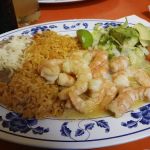 El Grullo Taqueria4.0 (485 reviews)
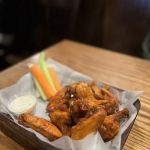 Jake's of Willow Glen4.0 (1331 reviews)
 Panda Express3.0 (80 reviews)
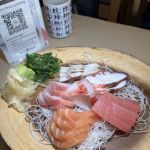 Seto Restaurant4.0 (642 reviews)
 District4.0 (828 reviews)
 How to Find Late-Night Dining Spots That Serve Classic American Burgers
 Top Date-Night Restaurants Open Near Me with a Romantic Atmosphere
 Best Places to Enjoy Comfort Food Anytime
 The Best After-Party Restaurants Open Near Me for Food and Drinks | Restaurant Locator
 Top Local Diner Spots in the US Worth Visiting Today
 Late-Night Dining: Where to Find the Best Sushi Restaurants Open Near Me