
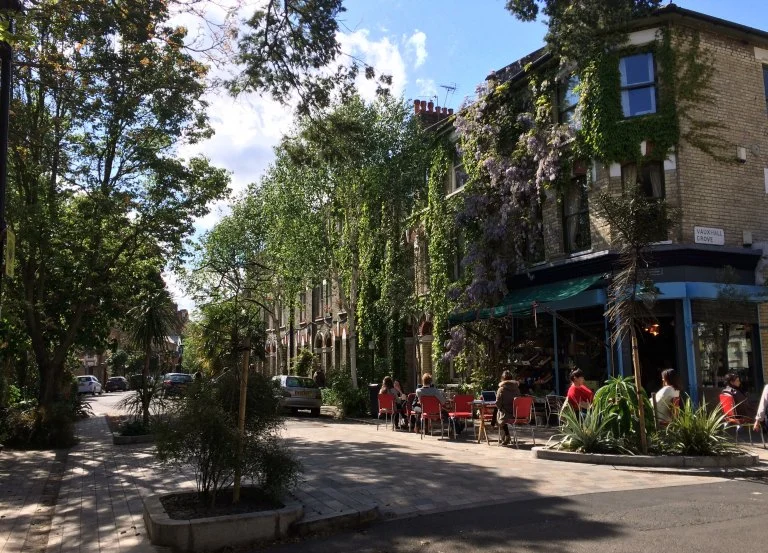
Why Some Places Quietly Become Part of Your Life Without You Noticing
- Emotional Anchor - how comfort builds through repeated visits and familiarity
- Routine Pattern Building - why repetition turns places into habits
- Environmental Comfort Signals - lighting, sound, and atmosphere cues
- Real Life Community Stories - how “regular spots” form in everyday life
When a Place Stops Feeling New and Starts Feeling Familiar
There’s a quiet shift that happens when a place stops being “somewhere you go” and starts feeling like “somewhere you belong.” It’s not dramatic. Nobody announces it. One day you just realize the barista already knows your order, or the corner table feels more comfortable than your own couch.
The idea behind what makes a place feel like your “regular spot” is less about geography and more about repetition mixed with emotional ease. It’s the combination of predictability and comfort that slowly builds trust between you and a physical space.
Emotional Anchor: Why Familiarity Feels Like Safety
1. The brain prefers predictable environments
Humans are wired to seek patterns. When you return to the same café, gym, or bookstore, your brain spends less energy processing new stimuli. That reduction in mental effort creates a subtle sense of relief. Over time, this relief transforms into comfort.
2. Small interactions create emotional memory
It’s rarely the big events that create attachment. It’s the small ones. A nod from a server, a consistent greeting, or even the sound of the espresso machine in the morning builds emotional familiarity.
A friend once described her local diner in Chicago where the owner always added an extra slice of toast “just because.” That tiny gesture turned a basic breakfast stop into her daily emotional anchor during a stressful year of work transitions.
Routine Patterns: How Repetition Builds Identity
1. The psychology of returning
When you repeatedly choose the same place, it becomes part of your identity loop. “I go there” slowly becomes “this is part of my routine,” and eventually “this is my place.”
2. The hidden structure behind habits
Most “regular spots” are formed unintentionally. You go there once because it’s convenient. You return because it was fine. Eventually, convenience turns into habit, and habit turns into attachment.
Interestingly, many people don’t realize they’ve adopted a regular spot until they travel or move away and feel a strange sense of absence.
Social Recognition: The Moment You’re No Longer a Stranger
1. Being remembered changes everything
One of the strongest signals that a place has become “yours” is recognition. The first time someone remembers your order or greets you without hesitation, the relationship with the space changes instantly.
2. The subtle community effect
Regular spots often become informal communities. You start noticing the same people at the same times. Without planning it, shared routines create silent connections.
There’s a well-known story from a Brooklyn coffee shop where three strangers who consistently sat at adjacent tables eventually formed a book club simply because they kept seeing each other every morning.
Environmental Comfort: Why Atmosphere Matters More Than We Admit
1. Sensory consistency builds trust
Lighting, music volume, seating comfort, and even smell contribute to whether a place feels right. These sensory cues create an unconscious checklist your brain uses to decide if you want to return.
2. The “just right” feeling
Not too loud, not too empty, not too formal. The balance is delicate. A space becomes a regular spot when it consistently hits that middle ground of emotional neutrality and comfort.
Real-Life Story: The Corner Bakery That Became a Lifeline
A freelance designer in Austin shared how a small bakery near her apartment became her unofficial office during a difficult year. At first, it was just a place with good Wi-Fi. But over time, the staff began saving her usual seat near the window.
During a particularly stressful project deadline, she mentioned casually that she was overwhelmed. The next morning, the baker left a small handwritten note on her table: “You’ve got this.” That moment turned the bakery from a workspace into something far more personal—a grounding point in her daily life.
Why Some Places Never Become “Regular Spots”
1. Lack of consistency
If the environment changes too often—different staff, inconsistent service, shifting atmosphere—it becomes harder for emotional attachment to form.
2. Emotional mismatch
Even if a place is popular, it might not align with your personal rhythm. Some people need quiet corners; others thrive in energetic spaces. Without alignment, familiarity alone isn’t enough.
When a Regular Spot Becomes Part of Lifestyle Design
People often underestimate how much their environment shapes their behavior. A consistent space can improve productivity, reduce stress, and even influence daily decision-making.
Some lifestyle designers actively choose their environments with intention—cafés for focus, parks for reflection, and neighborhood restaurants for decompression after work. Over time, these places form a personal ecosystem.
For readers exploring ways to build more intentional daily environments, platforms like What Makes a Place Feel Like Your “Regular Spot” discussions often highlight how small environmental choices lead to better routines and emotional stability.
How to Recognize Your Own “Regular Spot” in Real Time
1. You stop thinking about logistics
You don’t check reviews or compare alternatives. You just go.
2. You feel slightly off when you don’t go
Absence creates subtle discomfort, like missing a routine without knowing why.
3. You develop unspoken rituals
Same seat, same order, same time of day—these patterns form naturally, not intentionally.
Why These Places Matter More Than We Realize
A regular spot is not just about food, coffee, or service. It’s about continuity in a world that changes constantly. These places become emotional checkpoints in daily life, offering stability without demanding attention.
Whether it’s a café, gym, bookstore, or small neighborhood diner, these spaces quietly shape routines and moods. They become part of your personal rhythm without ever asking for recognition.
If you’re exploring new environments that could become part of your everyday life, or simply want to discover more thoughtfully designed community spaces, you can explore curated lifestyle insights and recommendations through What Makes a Place Feel Like Your “Regular Spot” and similar lifestyle guides that help connect people with meaningful local experiences.






 Ritual at Manresa4.0 (629 reviews)
 Taqueria Eduardo4.0 (956 reviews)
 Round Table Pizza4.0 (96 reviews)
 The Cup & Saucer4.0 (538 reviews)
 El Grullo Taqueria4.0 (485 reviews)
 Pasta Ciao Amore4.0 (24 reviews)
 Late-Night Dining in Major U.S. Cities: Where to Find Restaurants Open Past Midnight
 Quick Dinner Ideas That Are Reliable, Fast, and Delicious
 Best BBQ in Kansas City You Must Try
 Exploring the Best “Dinner and a Show” Restaurants Open Late at Night
 Most Loved Mexican Sweets in America
 Where to Find Late-Night Dinner Parties and Restaurants Hosting Events