
Where Calm Dining Experiences Truly Begin in Busy Modern Cities
- understanding-quiet-atmosphere - Why silence and balance matter in dining spaces
- restaurant-design-and-acoustics - How space design shapes noise levels
- service-pace-and-energy - The role of staff behavior in creating calmness
- menu-style-and-dining-flow - Why simpler menus often mean quieter experiences
- real-world-examples-and-stories - How diners discover peaceful hidden spots
- choosing-your-ideal-spot - Practical ways to find calm dining restaurants
Why Quiet Restaurants Matter More Than Ever Today
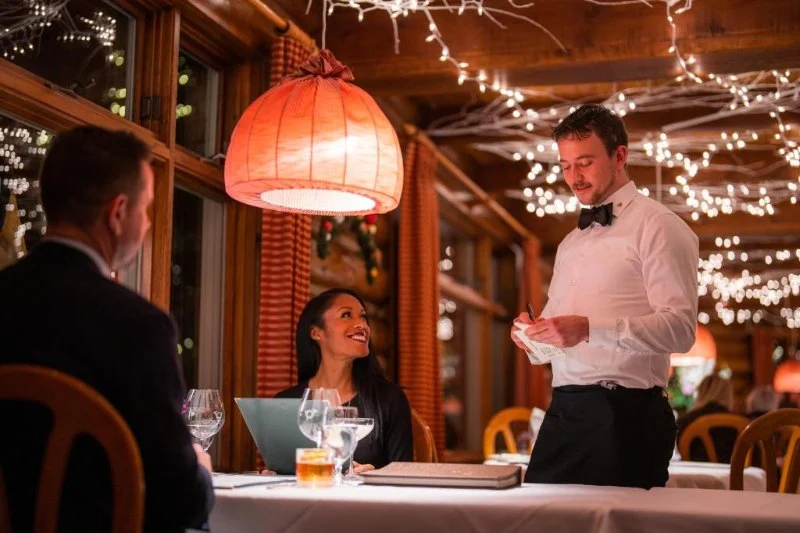
In a world where everything feels fast, loud, and constantly connected, finding restaurants with quiet atmospheres for relaxed dining has become something of a modern luxury. People are no longer just eating out for food—they’re searching for mental space, emotional rest, and a pause from daily noise.
A quiet dining environment changes the entire experience of a meal. Conversations feel deeper, flavors become more noticeable, and time seems to slow down. This is why many diners actively seek peaceful dining spots instead of trendy, high-energy venues.
In New York, for example, a small number of low-noise restaurants have gained loyal followings simply because they offer something rare: silence that feels intentional rather than empty.
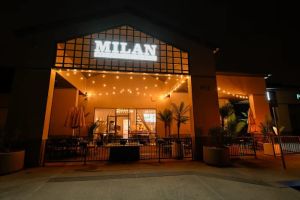
Milan Italian Restaurant
San JoseSanta Clara CountyCalifornia
1712 Meridian Ave F, San Jose, CA 95125, USA
How Restaurant Design Shapes a Calm Atmosphere
One of the most important yet overlooked elements in creating calm restaurant environments is interior design. Restaurants that prioritize acoustic balance often use soft materials like wood panels, fabric seating, and spaced-out tables to reduce echo and noise overlap.
Lighting also plays a huge psychological role. Warm, dim lighting tends to slow down dining pace naturally, while harsh bright lights create urgency and faster turnover. Together, these design choices build what many describe as a fine dining ambiance even in casual places.
There is a well-known café in Seattle that became popular not because of its menu alone, but because of how quiet it felt inside. Customers often mention that even during peak hours, conversations never overpower the space.

Popeyes Louisiana Kitchen
San JoseSanta Clara CountyCalifornia
1570 W San Carlos St, San Jose, CA 95126, USA
The Hidden Influence of Service Style and Restaurant Energy
Service pace is another major factor in creating relaxed dining restaurants. When staff move calmly, speak softly, and avoid rushed interactions, the entire room adopts a more peaceful rhythm.
In contrast, hurried service or loud coordination between staff can disrupt the entire atmosphere, no matter how well-designed the space is. Calm energy starts from the kitchen and flows outward to the dining area.
A real example comes from a family-owned bistro in San Francisco where the owner trained staff to pause briefly between interactions. That small change reduced perceived noise levels and made guests feel more present during meals.
Why Menu Simplicity Often Creates Quieter Dining Spaces
Interestingly, restaurants with shorter, more focused menus often correlate with quieter environments. A simplified menu reduces kitchen stress, improves coordination, and minimizes rushed communication between staff.
When kitchens operate smoothly, the dining room naturally feels calmer. There is less shouting, fewer errors, and a more controlled rhythm behind the scenes.
Some of the best peaceful dining spots in Europe follow this principle—offering fewer dishes but executing them with precision. This balance creates both culinary and emotional satisfaction.
Real Stories from Diners Searching for Calm Spaces
One traveler shared an experience in Chicago where she accidentally discovered a quiet restaurant tucked away between two busy streets. Despite being in a high-traffic area, the interior felt completely separate from the outside world.
She described it as “stepping into another dimension,” where the sound of traffic disappeared and conversations felt more meaningful. That emotional contrast is exactly what makes quiet restaurants memorable.
Another couple in Los Angeles mentioned that they now choose restaurants based on noise level rather than cuisine type alone, because their best conversations always happen in calmer environments.
How to Identify a Truly Peaceful Dining Environment
Finding restaurants with quiet atmospheres for relaxed dining requires observation before even sitting down. Small details often reveal everything you need to know.
Look at how spaced the tables are. Notice whether music is soft and unobtrusive. Pay attention to how quickly staff move and whether conversations from the kitchen are audible in the dining area.
Even the entrance layout can give clues. Restaurants that separate waiting areas from dining spaces often prioritize comfort and noise control more seriously.
The Emotional Value of Quiet Dining Spaces
Quiet restaurants are not just about reducing sound—they are about creating emotional clarity. When external distractions fade, people tend to engage more deeply with their food and companions.
This is especially important for meaningful conversations, celebrations, or even solo dining experiences where reflection matters. Calm environments allow meals to become experiences rather than routines.
Some psychologists even suggest that low-noise environments improve digestion and satisfaction levels, reinforcing the idea that atmosphere directly affects well-being.
Why Some Restaurants Naturally Feel More Relaxed Than Others
Not every quiet restaurant is intentionally designed that way. Some achieve calmness through culture rather than architecture. Staff habits, customer expectations, and even neighborhood demographics play a role.
In smaller towns, for instance, relaxed dining restaurants often emerge naturally because the pace of life itself is slower. In contrast, urban areas require deliberate design choices to achieve the same effect.
A small Japanese-inspired restaurant in Toronto became famous for its “whisper policy,” where guests naturally lowered their voices without being asked. This cultural behavior shaped the entire dining experience.
How to Choose Your Ideal Quiet Dining Spot
Choosing the right calm restaurant is a personal process. Some prefer near-silent environments, while others enjoy soft background music and gentle conversation hum.
The key is understanding what level of stimulation feels comfortable for you. Once that is clear, selecting the right peaceful dining spot becomes much easier and more intentional.
For curated recommendations and deeper insights into restaurants with quiet atmospheres for relaxed dining, platforms like Brunch & Snack Chat can help you explore options that match your personal dining style and mood preferences.





 Yummi Hotpot & Tea4.0 (246 reviews)
 Madhuban Cafe: Chaat, Chai & more . . .4.0 (7 reviews)
 Phở Cường 24.0 (171 reviews)
 Ethio-LunchBox4.0 (112 reviews)
 Las 7 Regiones3.0 (372 reviews)
 Subway3.0 (25 reviews)
 Best International Restaurant Experiences in America | Restaurant Locator
 The Best Spots for Late-Night Dining that Offer Gluten-Free Pizza and Pasta
 Where to Eat When Food Feels Emotionally Right: A Guide to Intuitive Dining
 Restaurants Known for Their Signature Dishes Around the World
 The Best After-Party Restaurants Open Near Me for Food and Drinks | Restaurant Locator
 Pet-Friendly Restaurants That Offer Dinner for You and a Meal for Your Dog