
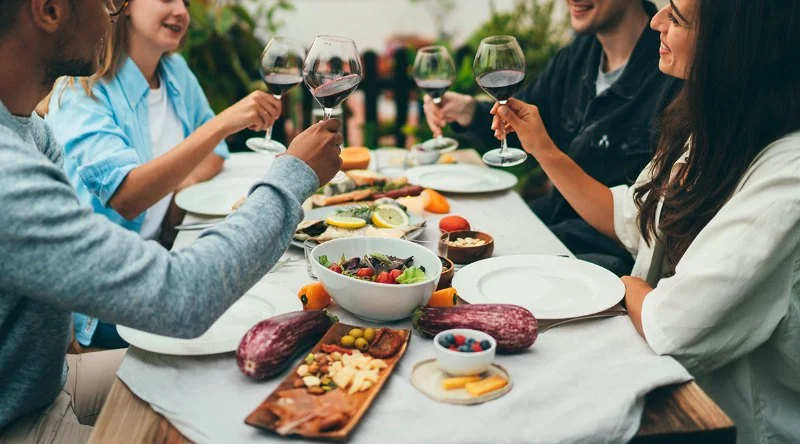
A Seamless Dinner Night: Understanding What Truly Makes Dining Feel Effortless
- Service Flow - timing coordination between kitchen and staff
- Atmosphere Design - how environment shapes comfort and mood
- Communication Clarity - guest, server, and kitchen alignment
- Food Timing - pacing courses without disruption
- Emotional Comfort - subtle hospitality psychology
The Invisible Structure Behind a Smooth Dining Experience
A dining experience that feels smooth rarely happens by accident. Most guests only notice when something goes wrong—slow service, awkward pauses, or confusion about orders. But when everything flows naturally, it creates a sense of ease that feels almost invisible.
Professionals in hospitality often describe this as operational harmony. It is the coordination of timing, communication, and environment that allows guests to simply enjoy the moment without thinking about logistics. Understanding what makes a dining experience feel smooth helps explain why some restaurants leave a lasting impression while others are quickly forgotten.
In many high-performing restaurants, especially in busy American dining scenes like New York or San Francisco, smoothness is not luxury—it is discipline. It is built through repetition, staff training, and small details that most guests never see.
Service Flow: The Hidden Rhythm of Hospitality
Service flow refers to how efficiently guests move through the dining journey—from seating to ordering, eating, and leaving. When done well, it feels natural and almost choreographed.
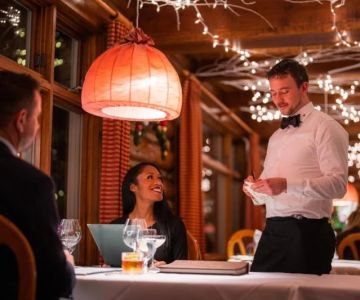
A well-trained server doesn’t just take orders. They anticipate needs. Water is refilled before it runs empty, menus are presented at the right moment, and plates are cleared without interrupting conversation. These micro-actions build the foundation of smoothness.
A real example comes from a well-known bistro in Chicago where staff rotate tables based on invisible timing cues rather than rigid schedules. Guests rarely notice delays because transitions feel organic, not forced.
Why Timing Matters More Than Speed
Contrary to popular belief, fast service is not always smooth service. Poorly timed speed can feel rushed and uncomfortable. The goal is rhythm, not acceleration.
When kitchen output, server pacing, and guest readiness align, the experience becomes seamless rather than mechanical.
Atmosphere Design and Emotional Comfort
The physical environment plays a major role in shaping perception. Lighting, acoustics, seating layout, and even temperature influence whether guests feel relaxed or distracted.
Soft lighting reduces sensory overload, while carefully controlled noise levels allow conversation without strain. Restaurants that understand this balance often create spaces where time feels slower in a positive way.
In one case study from a coastal restaurant in California, simply adjusting music volume by 15% led to higher guest satisfaction scores. The food did not change—but perception did.
How Design Influences Behavior
Guests subconsciously match the environment they are in. A chaotic space leads to rushed behavior, while a balanced space encourages calm dining. This is why high-end dining rooms invest heavily in spatial psychology.
Communication: The Silent Engine of Coordination
One of the most overlooked elements of smooth dining is communication between staff members. A single misunderstanding between kitchen and server can ripple into delays, incorrect orders, or awkward guest interactions.
Modern restaurants often use structured communication systems—some verbal, some digital—to ensure accuracy and timing. However, the best systems are the ones that feel invisible to guests.
A restaurant manager in Austin once described their system as “controlled improvisation.” Staff are trained to adapt quickly while maintaining consistency, especially during peak hours.
Guest Interaction Without Friction
Guests should never feel like they are interrupting or waiting for permission to be served. The ideal interaction feels natural, as if staff are already aware of their needs.
Food Timing and Course Pacing
Perhaps the most obvious part of dining is also the most sensitive: timing of food delivery. A dish arriving too early can feel rushed, while arriving too late can break momentum.
Successful kitchens manage pacing through coordination between preparation time and table status. This ensures that dishes arrive hot, fresh, and in sync with guest expectations.
Fine dining establishments often treat pacing as storytelling. Each course builds upon the previous one, creating a structured emotional journey rather than a simple meal.
Real-World Example: The Multi-Course Balance
At a seasonal restaurant in New York, chefs adjust pacing based on guest reaction speed. If guests linger over appetizers, the kitchen slows slightly. If energy increases, pacing tightens. This adaptive rhythm keeps the experience fluid.
Emotional Layer: Why Guests Remember Smooth Experiences
Beyond logistics, smooth dining creates emotional comfort. Guests feel seen, respected, and unpressured. This emotional layer is what turns a good meal into a memorable one.
Hospitality psychology suggests that predictability combined with subtle surprise creates satisfaction. Guests want consistency but also gentle delight.
This is why small gestures—like remembering a returning guest’s drink preference—can have a disproportionate impact on perception.
The Human Element in Service Design
Even in highly structured environments, human intuition remains essential. Machines can optimize timing, but they cannot fully replicate emotional awareness.
Why Some Restaurants Feel Effortless While Others Don’t
The difference often lies in invisible preparation. Restaurants that feel smooth have rehearsed their chaos. Every possible disruption has a planned response.
Training, observation, and repetition create consistency. Over time, staff develop instincts that allow them to respond without hesitation.
For guests, this translates into something simple but powerful: the feeling that everything just “works.”
Bringing It All Together in Real Dining Environments
Understanding what makes a dining experience feel smooth helps both diners and restaurant professionals appreciate the complexity behind hospitality. It is not just food—it is coordination, psychology, timing, and environment working together.
For those who want to explore dining experiences that prioritize this level of quality, platforms like P2Bars can help identify venues where service excellence and atmosphere design are carefully curated for consistency and enjoyment.
Whether you are evaluating a neighborhood bistro or a high-end tasting menu, recognizing these elements will change how you experience every meal.
 Yummi Hotpot & Tea4.0 (246 reviews)
 Madhuban Cafe: Chaat, Chai & more . . .4.0 (7 reviews)
 Phở Cường 24.0 (171 reviews)
 Ethio-LunchBox4.0 (112 reviews)
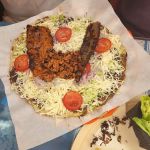 Las 7 Regiones3.0 (372 reviews)
 Subway3.0 (25 reviews)
 Best International Restaurant Experiences in America | Restaurant Locator
 The Best Spots for Late-Night Dining that Offer Gluten-Free Pizza and Pasta
 Where to Eat When Food Feels Emotionally Right: A Guide to Intuitive Dining
 Restaurants Known for Their Signature Dishes Around the World
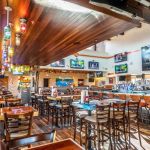 The Best After-Party Restaurants Open Near Me for Food and Drinks | Restaurant Locator
 Pet-Friendly Restaurants That Offer Dinner for You and a Meal for Your Dog