
How to Find a Quieter Restaurant for Conversation
On this page
Quick answer
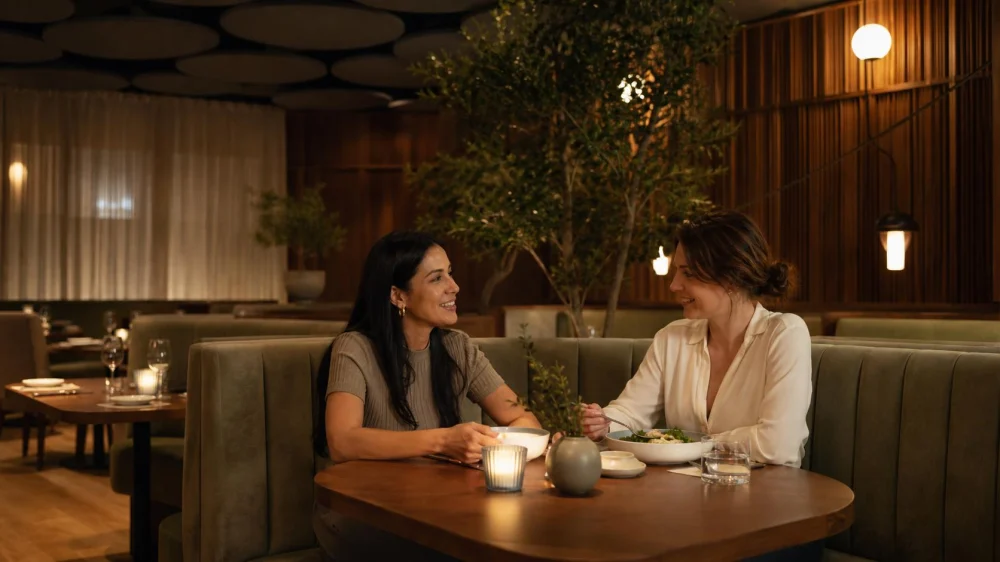
For easier conversation, look for restaurants with upholstered seating, curtains, acoustic panels, booths, smaller dining rooms, and space between tables. Avoid peak service, live-music zones, open kitchens, bars, and hard-surfaced rooms when noise matters. Call the restaurant with a specific request for its quietest available table and explain hearing or sensory needs without expecting a guarantee.
Restaurant acoustics describe how sound reflects, builds, and travels through a dining room, affecting speech clarity as well as perceived loudness.

Noise clues before booking
- Photos show carpet, fabric, ceiling baffles, plants, booths, curtains, or other sound-absorbing surfaces.
- Tables are spaced apart rather than packed into one open room.
- The bar, speakers, open kitchen, and waiting area are separated from dining tables.
- Reviews repeatedly mention conversation, noise, live music, sports screens, or a lively atmosphere.
- The restaurant offers private rooms, patios, alcoves, or multiple seating zones.
Photos and reviews are clues, not measurements. A quiet room at lunch may sound entirely different on a weekend evening.
Choose a quieter time
Call and ask when the dining room is least busy for the day you plan to visit. An early dinner or late lunch may be calmer than the main rush, but local patterns vary. Confirm whether a game, private party, DJ, trivia night, or live performance overlaps your reservation.
Best for conversation: lower-occupancy periods with no amplified event. Not ideal: assuming the first or last seating is quiet without checking; setup and cleanup can create their own noise.
Make a useful table request
Instead of asking only for “a quiet table,” name the conditions: away from speakers, bar, kitchen pass, entrance, server station, large parties, and dish-return area. A booth or corner can help, while a wall may also reflect sound in a hard room.
If someone uses hearing aids, has auditory-processing difficulty, or needs a lower-stimulation setting, say so politely. Ask what the restaurant can reasonably offer and record the request on the reservation. Seating remains subject to operations and availability.
Check the room on arrival
- Pause near the host stand and notice whether speech is already difficult.
- Look for empty tables in a calmer section before being seated.
- Ask immediately if another available table would work better.
- Seat the person who needs clearer speech with their back to a wall and a clear view of companions' faces.
- Keep the group small enough for one conversation when possible.
- Have a backup restaurant or takeout plan if the room is unexpectedly loud.
Who benefits most
Quieter dining helps business conversations, first dates, family discussions, older adults, people with hearing loss, hearing-aid users, and diners with sensory sensitivities. It may be less important for a celebratory group seeking music and energy.
When accessibility is essential, contact the restaurant directly about seating, entrance access, lighting, and communication needs. Do not rely only on crowdsourced descriptions.
Limitations and important notes
No reservation note can guarantee a sound level because occupancy, nearby groups, equipment, and events change. Online sound-rating apps and reviews may be outdated or based on one visit.
For a medical hearing concern, an audiologist or other qualified professional can offer individualized strategies. This article provides dining-planning guidance, not health care.
Frequently asked questions
Are patios always quieter?
No. Traffic, aircraft, music, wind, and neighboring tables can make patios louder. Ask about the specific patio and time.
Do booths reduce restaurant noise?
High-backed upholstered booths may reduce nearby sound and improve visual focus, but the overall room still matters.
How can I use reviews without being misled?
Look for repeated recent patterns, note the visit time, and confirm events or seating zones directly with the restaurant.
What is the best backup if the room is too loud?
Ask about another section, outdoor seating, or takeout. If conversation is the purpose, changing venues may be better than enduring the noise.
Sources and evidence notes
This guide applies general acoustic and accessibility principles: soft materials absorb more sound than large hard surfaces, distance from noise sources helps, and direct communication about access needs improves planning. Actual room conditions require current confirmation.
Next steps
Shortlist rooms with favorable acoustic clues, call about the quietest time and seating zone, and add a specific reservation request. Arrive with enough flexibility to change tables or use a backup plan.




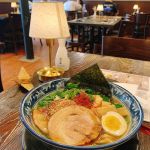 Hinodeya San Jose4.0 (158 reviews)
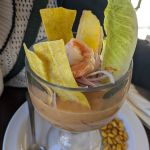 Emelina's 24.0 (155 reviews)
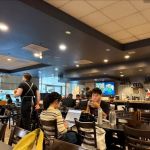 Home Eat汉家宴 - San Jose4.0 (718 reviews)
 Buca di Beppo Italian Restaurant4.0 (1391 reviews)
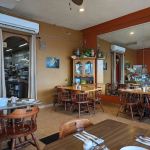 Reyhan Restaurant4.0 (286 reviews)
 Ristorante da Maria4.0 (378 reviews)
 Late-Night Dining Options for Families: Where to Find Restaurants with Kid-Friendly Menus
 Vegan Comfort Food at Restaurants Still Accepting Walk-Ins Tonight
 Top Taco Restaurants in Phoenix: Where to Find the Best Tacos in Town
 The Top 10 Trendiest Restaurants Open Late That You Need to Try
 Top Sushi in Seattle
 Why “Open” Hours on Google Maps Can Be Misleading & How to Confirm