
Restaurant Leftovers Guide: Pack, Travel, Refrigerate, and Reheat Safely
On this page
- Quick answer
- Decide before the food sits too long
- Ask for practical packaging
- Start the food-safety clock at the table
- Plan the trip from restaurant to refrigerator
- Refrigerate in shallow portions
- Label the container and choose a use-by plan
- Reheat only the portion you will eat
- Know when to discard the food
- Use a simple leftovers checklist
Quick answer
Take restaurant leftovers only when you can get perishable food into a refrigerator promptly. Ask for a clean, leak-resistant container, separate sauces or delicate items when practical, and note when the meal was served. Go home before running errands, refrigerate the food at 40°F (4°C) or below, and divide large amounts into shallow containers so they cool quickly.
USDA guidance says perishable leftovers should not remain out for more than two hours, or more than one hour when the temperature is above 90°F (32°C). Refrigerated leftovers generally should be used within three to four days and reheated to 165°F (74°C). If the time or temperature history is uncertain, discarding the food is safer than relying on smell or appearance.
Coastal Manor Restaurant and Bar
San JoseSanta Clara CountyCalifornia
301 S Market St, San Jose, CA 95113, USA
Decide before the food sits too long
The decision to take leftovers begins while you are still eating. Time at the table, time waiting for the check, and travel time all count toward the period that perishable food is out of temperature control. A long movie, concert, shopping trip, airport wait, or hot-car ride after dinner can make a take-home box a poor choice.
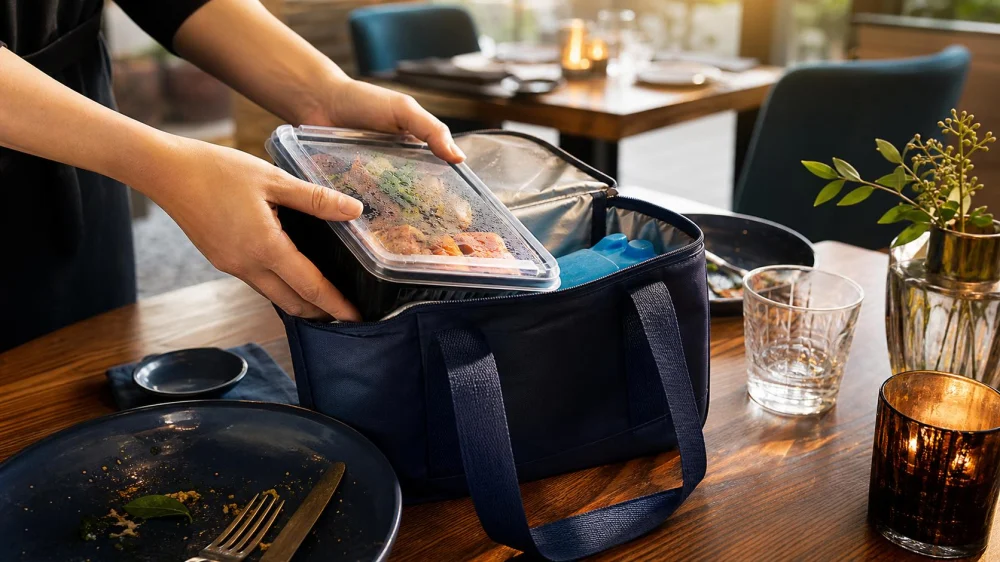
Estimate the full trip to reliable refrigeration. If you cannot go home directly, ask whether the restaurant can provide ice, but do not assume a small bag of ice will keep food at a safe temperature for hours. For a planned longer trip, bring a well-insulated cooler with enough frozen gel packs to keep the food cold. When that is not possible, leave the leftovers.
Ask for practical packaging
Request containers that close securely and are suitable for the food. Keep soups, curries, dressings, gravies, and other liquids upright in leak-resistant packaging. Separate crisp components from wet sauces when you want to preserve texture. If a large entrée can be divided without extra handling, smaller portions will cool faster once refrigerated.
Do not reuse a visibly soiled container or place cooked food into packaging that held raw meat or seafood. Keep take-home food separate from cleaning products and other contaminants in the car. If the restaurant provides reheating instructions or an allergen label, keep it with the container rather than relying on memory.
Start the food-safety clock at the table
The safest practical approach is to count from when the food was served or removed from hot or cold holding, not from when you leave the restaurant. According to the USDA leftovers guidance, perishable food should be refrigerated within two hours, or within one hour when the surrounding temperature is above 90°F (32°C).
That shorter limit matters in parked vehicles, outdoor dining, summer events, and other hot environments. Do not reset the clock by briefly placing warm food near an air conditioner or adding a small ice cube. If the meal has already spent close to the limit on the table, packing it for a long drive adds risk.
Plan the trip from restaurant to refrigerator
Place containers flat in a clean tote or box so they cannot tip. Keep them in the air-conditioned passenger compartment rather than a hot trunk when the trip is short. For longer travel, use a cooler with frozen packs placed around the food, minimize opening, and move everything into the refrigerator as soon as you arrive.
A cold outdoor day is not a substitute for controlled refrigeration: vehicle temperatures fluctuate, sunlight warms surfaces, and food may freeze unevenly. Likewise, a hotel minibar may not hold food at 40°F (4°C) or below. Ask the hotel about a real refrigerator or discard leftovers if dependable cold storage is unavailable.
Refrigerate in shallow portions
Put leftovers in the refrigerator promptly; there is no need to leave a container on the counter until it reaches room temperature. Divide a deep box of pasta, rice, stew, meat, or casserole into smaller, shallow containers so the center cools faster. Leave space for cold air to circulate and keep the refrigerator at 40°F (4°C) or below.
Cover or seal the food, but do not pack a refrigerator so tightly that airflow is blocked. Store ready-to-eat leftovers above raw meat, poultry, or seafood so raw juices cannot drip onto them. If you will not eat the food within a few days, freeze it early instead of waiting until the final refrigerated day.
Label the container and choose a use-by plan
Write the restaurant name, dish, and date on each container. USDA advises using refrigerated leftovers within three to four days; freezing extends storage, though quality can decline. A label prevents mystery containers and makes it easier to choose the oldest food first.
Keep allergen information with the correct dish, especially when several diners packed different meals. Do not assume removing a visible garnish removes an allergen: sauces, breading, shared utensils, and cross-contact may still matter. Anyone with a food allergy should follow the information given by the restaurant and their own medical plan.
Reheat only the portion you will eat
Transfer food to cookware or a microwave-safe dish unless the takeout container is specifically labeled for reheating. Cover loosely, stir or rotate food to reduce cold spots, and add a little liquid to rice, pasta, or dense dishes when appropriate. Reheat leftovers to 165°F (74°C), checking thick or multiple areas with a food thermometer.
Bring sauces, soups, and gravies to a rolling boil. Reheat only the amount you plan to eat so the remaining food is not repeatedly warmed and cooled. Some foods, such as dressed salads or delicate fried items, may not reheat well; quality is different from safety, and neither smell nor crispness confirms a safe temperature.
Know when to discard the food
Discard perishable restaurant leftovers that exceeded the time limit, sat in a hot vehicle, were stored in an unreliable refrigerator, leaked into a dirty bag, or have an unknown history. Harmful bacteria may not change the food’s smell, taste, or appearance, so a sniff test cannot prove that food is safe.
Also discard food with visible mold, unusual texture, damaged or swollen packaging, or contamination from raw food. Do not taste a bite to decide. People who are pregnant, age 65 or older, under age five, or immunocompromised face greater risk from foodborne illness and should be especially cautious with uncertain leftovers.
Use a simple leftovers checklist
Before accepting a box, ask: How long has the food already been out? Can I refrigerate it within two hours, or one hour in heat above 90°F? Is the container secure? Can sauces and delicate items be separated? Do I have reliable refrigeration at the destination?
At home, divide deep portions, label the date, refrigerate at 40°F or below, plan to eat within three to four days or freeze, and reheat to 165°F. The official FoodSafety.gov restaurant leftovers tips reinforce the same practical point: if other activities will delay refrigeration, skip the take-home box.
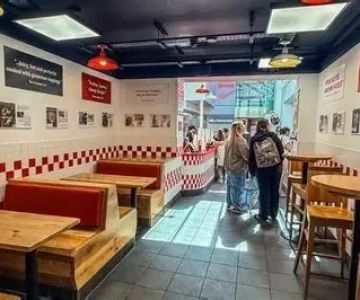
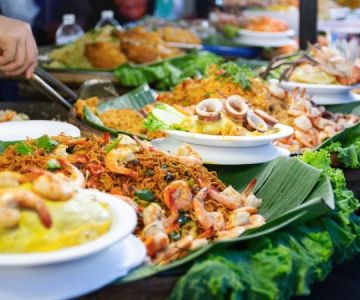



 Arteaga's Taqueria y Panadería3.0 (10 reviews)
 Market Cocina4.0 (3 reviews)
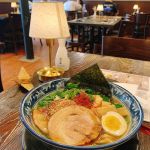 Hinodeya San Jose4.0 (158 reviews)
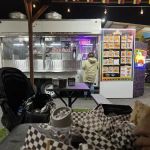 The Pana’s Parche4.0 (25 reviews)
 The Pizza Box4.0 (627 reviews)
 Aina's Vegan Banh Mi4.0 (138 reviews)
 Why Some Meals Just Work Better Than Others: The Science of Flavor Combinations
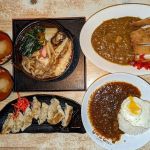 The Top Restaurants That Stay Open Late for Late-Night Drinks and Small Plates
 The Top Restaurants for Late-Night Dining That Offer Full Bar Services
 Where to Find Late-Night Dinner Parties and Restaurants Hosting Events
 The Best Taco Restaurants Open Near Me for Midnight Tacos and Salsa
 Top Restaurants Open Late for a Romantic Dinner on a Budget: Affordable Yet Memorable Dining