
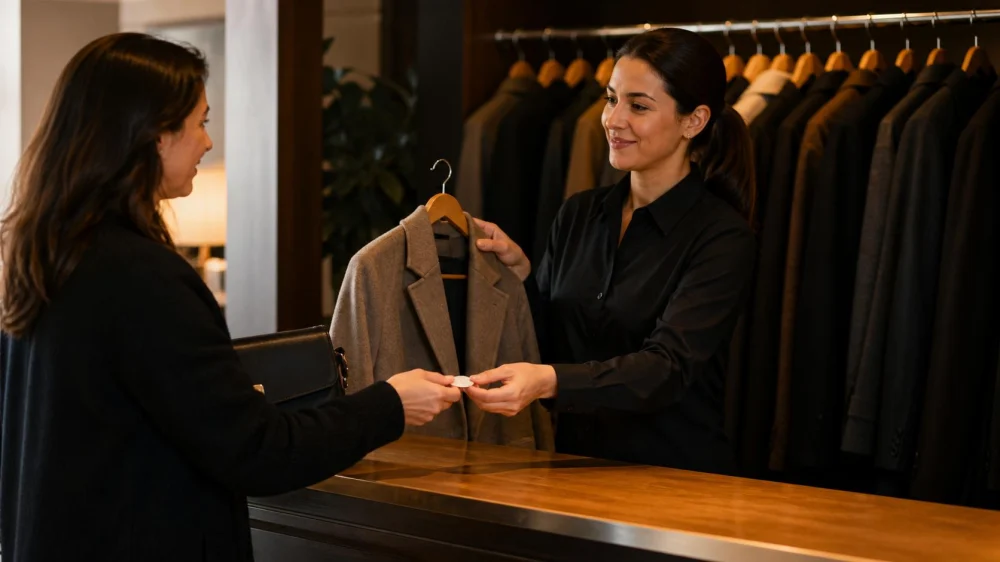
Restaurant Coat and Bag Storage: Tickets, Access, and Valuables
On this page
Quick answer
Ask whether storage is staffed, self-service, mandatory, free, tipped, or charged, and what items the restaurant accepts. Keep identity, payment, medication, keys, electronics, and irreplaceable valuables with you unless a secure approved arrangement is clear. Photograph the item discreetly, retain the claim ticket, confirm access during the meal, and retrieve everything before the facility closes; report a mismatch immediately.

Why convenient storage still needs a clear handoff
A coat rack, cloakroom, check counter, under-table hook, and luggage room provide different levels of control. Staff may limit bag size, refuse valuables, combine items on one ticket, close before the dining room, or require pickup through another exit. Knowing custody, access, and liability terms before handoff reduces confusion when the restaurant is busy.
This guide is for United States diners considering ordinary coat, umbrella, stroller, helmet, or bag storage at a restaurant. It is not a guarantee against theft or damage, legal advice, or a substitute for the restaurant's current policy. Fire-code, accessibility, event, building, and security rules vary.
ZENSHI Handcrafted Sushi
San JoseSanta Clara CountyCalifornia
5146 Stevens Creek Blvd, San Jose, CA 95129, USA
Practical checklist
- Staffed coat check, self-service rack, locker, table hook, host storage, stroller area, luggage limit, mandatory-check rule, and items the venue refuses.
- Fee, suggested tip, payment method, service charge, event inclusion, per-item pricing, maximum size, and whether multiple items share one claim ticket.
- Hours, last pickup, dining-room closing, separate exit, re-entry, mid-meal access, line at departure, and procedure if the desk is temporarily unstaffed.
- Claim ticket number and condition, digital receipt, item count, color, brand-free identifying features, contents, pockets, detachable parts, and existing damage.
- Identity documents, cards, cash, keys, medication, mobility or communication aids, electronics, work materials, gifts, and irreplaceable or temperature-sensitive items.
- Accessible route, reach height, staff assistance, service-animal gear, mobility-device policy, child supplies, privacy, and prompt access to essential belongings.
- Lost-ticket procedure, identity verification, lost-property contact, incident report, camera retention request, manager, insurer, card benefits, and reporting deadlines.
Step-by-step plan
- Before handoff, ask where the item will be stored, who controls access, what is excluded, whether a fee applies, and when the service closes.
- Remove or retain essential and valuable items, close pockets and zippers, detach fragile accessories when practical, and do not leave prohibited contents.
- Count the items with staff, note distinctive non-sensitive features or existing damage, and accept a claim ticket that matches the handoff arrangement.
- Store the ticket separately from the item without posting its number publicly, and keep a discreet current photo when the item would be hard to describe.
- Confirm how to retrieve medication, accessibility gear, child supplies, or another essential item during the meal without surrendering the claim record.
- Collect belongings before closing, compare item count and condition at the counter, and check pockets and detachable pieces before leaving the property.
- Report a wrong, missing, or damaged item immediately to the manager, preserve the ticket and receipt, and request the restaurant's documented follow-up process.
Keep the reservation and dining receipt, storage fee, claim ticket or digital record, item count, non-sensitive photos, existing condition, handoff and pickup times, staff or manager contact, incident report number, lost-property correspondence, camera-retention request, replacement receipts, and resolution. Do not publish ticket or identity details.
Limits and important notes
Do not treat an open rack as secure custody, leave prohibited or hazardous items, hide a tracking device where it violates law or policy, or post claim numbers publicly. A disclaimer may affect the process but does not replace reporting. Do not confront another guest or enter staff-only storage to search on your own.
Ask a manager immediately for a missing, swapped, damaged, or inaccessible essential item and follow the venue's incident procedure. Contact emergency services for immediate danger and appropriate local authorities for suspected theft when warranted. For medication, identity, keys, or mobility equipment, explain urgency and arrange safe alternatives promptly.
Frequently asked questions
Should valuables go into a checked coat pocket?
Usually keep valuables and essentials with you unless the venue offers and clearly explains an appropriate secure arrangement.
What if I lose the claim ticket?
Tell staff immediately and follow their identity and item-verification process; do not attempt to select the item from storage yourself.
Can I retrieve something during dinner?
Policies vary. Ask at handoff, especially for medication, child supplies, mobility aids, or work items needed at a set time.
Is coat check tipping required?
Practice depends on venue, location, posted fee, event, and service charge. Ask or check the current policy rather than guessing.
What should I do before leaving?
Compare the item, pockets, accessories, and condition while still at the counter, then report any mismatch before departing.
Sources and evidence
Use the restaurant's current posted storage and lost-property policies, reservation or event terms, building accessibility procedures, applicable local requirements, and insurer or card-benefit terms for a claim. Those current sources override a generic storage checklist.
Conclusion and next steps
Ask how storage works, what it costs, what it excludes, whether essential items remain accessible, and when it closes. Keep valuables with you, retain the claim record, retrieve belongings early enough to inspect them, and report any wrong, missing, damaged, or inaccessible item before leaving whenever possible.



 Mi Quang Co Thao4.0 (307 reviews)
 The Old Spaghetti Factory4.0 (3915 reviews)
 Pier 4023.0 (256 reviews)
 Chingadazos Taqueria & Bar4.0 (89 reviews)
 Yard House4.0 (4727 reviews)
 Bay Area Pizza4.0 (404 reviews)
 Best Coffee and Pastry Combos in Chicago: Perfect Pairings for Every Coffee Lover
 Best Restaurants That Fit Late Night Plans Perfectly for Night Food Lovers
 New York City’s Best Late-Night Dining Restaurants You Didn’t Know Were Open
 Top Restaurants Open Late Near Me That Serve Signature Seafood Dishes
 Restaurant Health Inspection Records: Read Them in Context
 Restaurant Bar Seating: Check Menu, Wait, and Age Rules