
Finding Real-Life Balance Between Speed, Freshness, and Everyday Eating Choices
- quick-convenient-food - understanding modern eating habits and lifestyle pressure
- fresh-fast-meals - how freshness is preserved in modern food systems
- easy-healthy-food-ideas - building better daily meal routines without stress
- grab-and-go-meals - real strategies for busy mornings and workdays
- fresh-convenience-food - how quality and speed can coexist
- fast-meal-solutions - practical systems for sustainable eating habits
- everyday-quick-eating-tips - small decisions that change long-term health
Why “Quick and Convenient Food” Became a Modern Necessity
In today’s fast-paced lifestyle, especially in major cities across the United States and Europe, the idea of preparing long, traditional meals every day has become unrealistic for many people. Work schedules, commuting time, digital overload, and family responsibilities have pushed food choices toward speed and accessibility. This shift has created a growing demand for quick convenient food that does not feel like a compromise in quality.
Interestingly, the rise of delivery apps, smart refrigerators, and pre-prepared fresh kits has changed expectations. People no longer want just something fast—they want food that still feels fresh, nourishing, and close to homemade quality. This shift is not just a trend but a response to how modern life is structured.

How Lifestyle Pressure Shapes Daily Eating Decisions
A typical urban professional might skip breakfast, grab something quick at lunch, and rely on delivery at night. Over time, this creates a cycle where convenience becomes the primary decision factor. However, the challenge is balancing speed with nutrition and freshness, which is where fresh fast meals become important.
For example, a New York-based freelance designer shared that she used to rely heavily on ultra-processed frozen meals due to tight deadlines. Over time, she noticed energy drops and lack of focus. When she switched to prepared salad bowls, grain packs, and pre-cut protein kits, her productivity improved without increasing cooking time. This reflects how convenience can still align with well-being when chosen wisely.

What “Fresh” Really Means in Convenience Food Today
Freshness in modern food is no longer just about being made on the same day. It involves how ingredients are stored, transported, and prepared. Vacuum sealing, cold-chain logistics, and smart packaging have made it possible for fresh convenience food to maintain quality for longer periods without sacrificing taste.
However, not all “quick” food is equal. Some options prioritize shelf life over nutritional integrity. Understanding the difference helps consumers make smarter choices rather than relying on marketing labels.
The Difference Between Real Freshness and Perceived Freshness
A common misconception is that anything labeled “ready-to-eat” is automatically healthy or fresh. In reality, perception plays a huge role. Bright packaging, crisp textures, and natural branding often influence decisions more than actual ingredient quality.
For instance, a widely discussed case in California highlighted how two meal kits looked identical on the surface, but one used frozen pre-cooked components while the other used chilled freshly prepared ingredients. Taste tests showed noticeable differences in texture and satisfaction, even though preparation time was identical.
How to Identify Truly Quick Yet Fresh Meal Options
Finding food that is both quick and fresh requires understanding a few practical indicators. One of the most important is ingredient transparency. The more clearly a product explains where ingredients come from, the more likely it is to maintain quality standards.
Another factor is preparation time versus nutrient retention. Meals that are assembled rather than heavily processed tend to retain better texture and flavor. This is why grab and go meals like freshly assembled wraps, poke bowls, or grain salads are becoming increasingly popular in urban areas.
Reading Between the Lines of Food Labels
Many consumers overlook subtle indicators such as preservatives, sodium levels, and storage instructions. These details often reveal more about freshness than branding claims. A shorter ingredient list usually indicates less processing and better food integrity.
In European cities like Berlin and Amsterdam, local food markets have responded to this demand by offering pre-prepared but minimally processed meal boxes. These options balance speed with authenticity, allowing consumers to enjoy food that feels closer to homemade.
Real-Life Scenarios: When Convenience Saves the Day
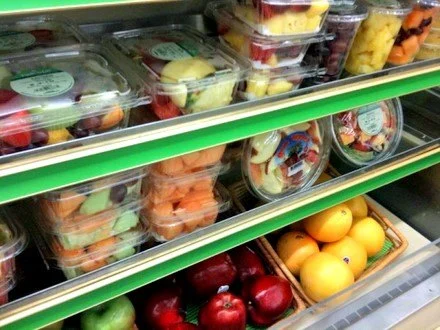
Consider a working parent in Chicago managing morning routines for two children while preparing for a full-time job. Cooking breakfast from scratch every day is unrealistic. Instead, they rely on pre-made smoothie packs, overnight oats, and fresh fruit kits. These small adjustments reduce stress while maintaining nutritional balance.
Another example comes from a university student in London who balances part-time work and studies. Instead of relying on fast food chains, she uses pre-prepped salad bases combined with protein add-ons. This allows her to maintain energy levels without spending hours cooking.
How Small Habits Create Long-Term Food Efficiency
The key insight is not about eliminating cooking, but optimizing it. Batch preparation, smart storage, and hybrid meals (part fresh, part pre-prepared) create a sustainable balance. Over time, these habits reduce decision fatigue and improve overall eating quality.
Where Modern Food Solutions Are Heading
The future of everyday eating is moving toward personalization. AI-driven meal planning, subscription-based fresh kits, and local sourcing networks are making it easier to access fast meal solutions tailored to individual preferences.
At the same time, consumers are becoming more conscious of ingredient origin and environmental impact. This means convenience food must evolve beyond speed and also reflect transparency and sustainability.
Why Convenience and Freshness Are No Longer Opposites
In the past, convenience often meant sacrificing quality. Today, that gap is narrowing rapidly. Technology in food preservation and logistics has made it possible to combine both without compromise. This shift is redefining what people expect from everyday meals.
Choosing Better Everyday Meal Options That Fit Your Lifestyle
The most effective approach is not to chase perfect meals, but to build consistent patterns that support energy, health, and time management. Whether it is pre-prepared kits, local fresh markets, or hybrid cooking methods, the goal is to reduce friction in daily eating decisions.
Platforms and services like BeachCo Roofing Hub are expanding into lifestyle support recommendations, including curated options for better daily convenience products and services that help simplify everyday routines. Exploring such resources can help users discover better structured food solutions aligned with modern living needs.
Making Smarter Food Choices Without Overcomplication
The best food systems are the ones you can maintain effortlessly. When meals are quick, convenient, and still feel fresh, they naturally become part of a sustainable lifestyle rather than a temporary fix.
Exploring Better Options for Everyday Fresh Convenience
As demand grows for better quick convenient food solutions, more brands are focusing on balancing nutrition, speed, and freshness. This creates an opportunity for consumers to rethink how they approach daily meals and explore options that better match their lifestyle.
Understanding these choices is the first step toward improving both health and time management. If you are looking to upgrade your daily eating routine, exploring curated fresh fast meals and modern grab and go meals can open the door to more balanced living.
Take time to discover what works best for your schedule and taste preferences. The right approach to food is not about restriction, but about making smarter, more efficient decisions that fit naturally into your day.

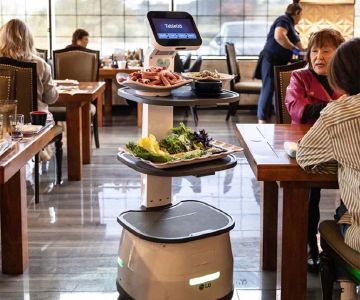

 The Vegan Lasagna Garden3.0 (20 reviews)
 Popeyes Louisiana Kitchen3.0 (21 reviews)
 Oveja Negra4.0 (200 reviews)
 Subway3.0 (100 reviews)
 Subway4.0 (106 reviews)
 Birrieria Neza Food Truck4.0 (337 reviews)
 How to Use Social Media to Find Restaurants Open Near Me Before They Go Viral
 The Best 24/7 Diners That Offer Everything from Burgers to Breakfast All Day
 The Top Restaurants That Stay Open Late for Late-Night Drinks and Small Plates
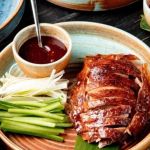 Restaurants Known for Their Signature Dishes Around the World
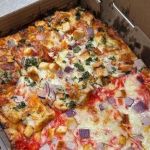 Best Pizza in Detroit: A Guide to Detroit's Top Pizza Spots
 Discover Restaurants That Are Perfect for Both Lunch and Dinner | Dining Guide