
Smart Places to Eat When Time Is Tight and Budget Matters
- 1-Modern life pressure shaping everyday food choices
- 2-Real world routines behind fast dining decisions
- 3-What “works without spending too much time” really means
- 4-A day in the life of a busy urban worker
- 5-How to choose reliable places to eat quickly
- 6-The psychology behind fast and efficient eating habits
- 7-Where to go next when you want better food decisions
1. Modern life pressure shaping everyday food choices
The hidden cost of time in daily eating habits
In many cities, especially across the US and Europe, food decisions are no longer just about taste or price. They are deeply tied to time. People are constantly searching for Where to Eat When You Need Something That Works Without Spending Too Much Time because modern schedules leave almost no room for long meals or complicated planning.
Why convenience has become a lifestyle standard
Between commuting, hybrid work schedules, and unpredictable meetings, eating has turned into a logistical decision. The question is no longer “what do I feel like eating?” but rather “what can I get quickly without ruining my budget or my energy for the rest of the day?”
2. Real world routines behind fast dining decisions
Morning rush and skipped breakfasts
A common pattern is the skipped breakfast scenario. Many professionals leave home early, thinking they will grab something “later,” only to find themselves choosing between vending machines and overpriced cafés.
Lunch breaks under pressure
In office environments, lunch breaks often shrink to 20–30 minutes. This creates a predictable behavior: people gravitate toward fast-casual spots that already understand the demand for speed, consistency, and affordability.
3. What “works without spending too much time” really means
Balancing speed, cost, and satisfaction
The phrase Where to Eat When You Need Something That Works Without Spending Too Much Time is not just about fast food. It represents a balance between three competing needs: speed of service, reasonable pricing, and meals that do not leave you feeling drained afterward.
The rise of “efficient dining ecosystems”
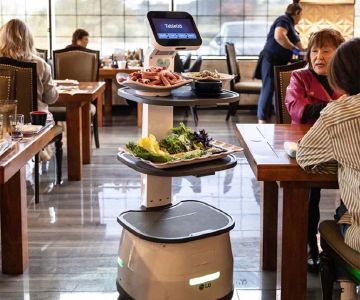
From self-order kiosks to streamlined menus, restaurants are redesigning themselves around efficiency. This shift is especially visible in urban centers where lunch rushes define survival for many food businesses.
4. A day in the life of a busy urban worker
Morning coffee and improvisation
Take an example of a marketing consultant working in downtown Chicago. Her day starts with a rushed coffee and ends with late-night emails. She rarely has time to plan meals in advance.
Lunch decisions driven by proximity
When noon hits, her decision is simple: wherever is closest and fastest. Over time, she builds a mental map of reliable spots—places that consistently deliver quick service without sacrificing quality.
Evening fatigue and default choices
By evening, decision fatigue kicks in. Instead of exploring new options, she often repeats familiar choices. This is a common behavior among professionals in similar environments.
5. How to choose reliable places to eat quickly
Consistency over novelty
When time is limited, consistency matters more than experimentation. A dependable restaurant with a simple menu often outperforms trendy spots that require longer waiting times.
Menu design as a hidden advantage
Efficient restaurants often design menus with fewer items, reducing decision time and improving preparation speed. This is a key factor in understanding Where to Eat When You Need Something That Works Without Spending Too Much Time in real life.
Service flow and ordering systems
Digital ordering, pickup counters, and pre-packaged options are all part of a system designed to reduce friction. These details may seem small, but they significantly impact daily convenience.
6. The psychology behind fast and efficient eating habits
Decision fatigue and repetitive behavior
Human beings naturally avoid unnecessary decisions when mentally tired. This explains why many people repeatedly choose the same lunch spot for weeks at a time.
Comfort, predictability, and trust
Predictability becomes more valuable than novelty. A familiar sandwich shop or noodle bar feels safer because the outcome is known, reducing stress in already busy schedules.
Social influence and urban eating trends
Trends on social media also influence what people consider “fast but acceptable.” A place that appears frequently in short-form videos often becomes a default choice for time-conscious customers.
7. Where to go next when you want better food decisions
Building a personal shortlist of reliable options
Instead of searching every day, many people eventually build a short list of trusted places. This reduces mental load and improves overall eating satisfaction.
Using modern tools to simplify food choices
Delivery platforms, curated meal apps, and subscription-based food services are becoming practical solutions for those constantly searching for Where to Eat When You Need Something That Works Without Spending Too Much Time.
Turning efficiency into lifestyle improvement
The goal is not just speed, but sustainability. Eating well while saving time can improve productivity, mood, and even long-term health when done intentionally.
Final direction for smarter eating habits
If you are looking to refine your daily food decisions, exploring curated dining platforms and modern meal solutions can be a practical next step. Many services today are designed specifically for busy lifestyles, offering fast ordering, predictable quality, and budget-friendly options. Discovering the right system can transform how you eat every day—making convenience not just a necessity, but a long-term advantage worth investing in.
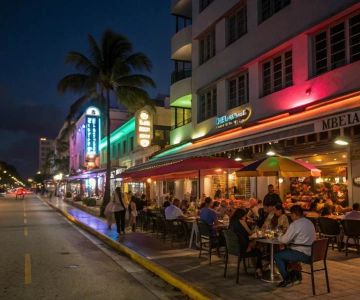
 Pepipollo5.0 (5 reviews)
 Denny's4.0 (2216 reviews)
 Dulce Victoria- American & Mexican food0.0 (0 reviews)
 A&W Restaurant3.0 (420 reviews)
 Best Taste Chinese Restaurant4.0 (288 reviews)
 SLOBSTER0.0 (0 reviews)
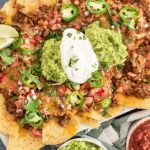 Most Delicious Nachos in the US: A Guide to the Best Spots
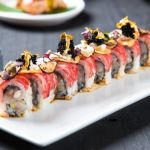 Best Late-Night Sushi Spots in the US for Fresh Rolls and Sashimi
 What Makes Some Dining Options Better When You’re Short on Time
 The Importance of Parking & Access When Searching for “Restaurants Open Near Me”
 The Rise of “Swicy” Flavors at Restaurants Open Now—What to Try & Where | Restaurant Locator
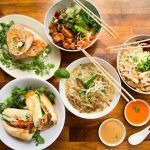 代码Most Visited Vietnamese Restaurants in America