
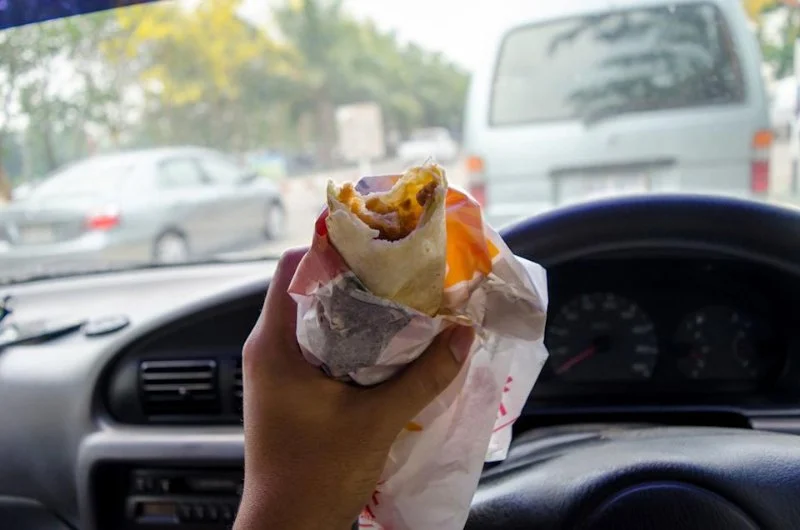
Fast Food Survival in a Busy American Lifestyle
There are moments in everyday life when hunger becomes urgent. Maybe you just finished a long work shift, maybe you are traveling, or maybe you simply forgot to eat during a busy day. In these situations, the question becomes very practical: where to go when you need food immediately without waiting too long for service. Across American cities, food speed has become just as important as food quality.
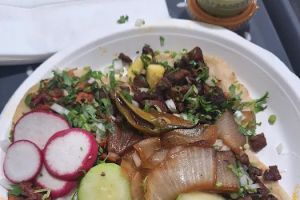
Tacos Panchito Food Truck
San JoseSanta Clara CountyCalifornia
2915 Monterey Rd, San Jose, CA 95111, USA
The reality of modern fast-paced eating habits
People no longer plan meals the way they used to. Work schedules, commuting time, and unpredictable routines mean that many individuals rely on quick-access food solutions. The demand for speed has reshaped the restaurant industry, pushing many establishments to optimize service times and streamline ordering systems.
Why waiting time matters more than ever
In urban environments like New York, Los Angeles, or Chicago, even a 10–15 minute wait can feel excessive during peak hunger moments. This has led to the rise of fast-casual dining, drive-thru efficiency systems, and mobile ordering platforms designed specifically to reduce waiting time.
Quick Service Restaurants and Smart Ordering Strategies
One of the most reliable answers to where to go when you need food immediately without waiting too long for service is quick service restaurants (QSRs). These locations are built for speed, consistency, and high customer turnover.
How QSRs are designed for speed
Quick service restaurants operate on standardized menus, pre-prepared ingredients, and optimized kitchen workflows. This allows them to deliver meals in minutes rather than extended wait times. Many chains also use digital screens to improve order accuracy and reduce delays.
Ordering strategies that reduce wait time
One overlooked strategy is ordering ahead using mobile apps or kiosks. Even during peak hours, pre-ordering allows food to be prepared while you travel to the location. This significantly reduces perceived wait time and improves convenience.
Fast-casual balance between quality and speed
Fast-casual restaurants offer a middle ground between traditional dining and fast food. While slightly slower than drive-thrus, they still provide relatively quick service with fresher ingredients and more customizable options.
Where to Get Food Fast During Late-Night Hunger
Late-night hunger is a different challenge altogether. Many restaurants close early, but certain food options remain available for those urgent moments when waiting is not an option.
24-hour diners and drive-thru locations
Classic American diners and select fast-food chains remain open around the clock in many cities. These places are often the most reliable solution for immediate food access at night. Drive-thru service is especially valuable because it eliminates the need to leave your vehicle.
Gas station food and convenience markets
Convenience stores and gas stations have evolved significantly. Many now offer hot meals, sandwiches, and prepared snacks that are ready immediately. While not gourmet, they provide instant access when hunger cannot wait.
Why late-night speed often beats quality expectations
At night, the priority is usually convenience over dining experience. This shift in mindset makes fast-access food options more acceptable and widely used, especially among shift workers and travelers.
Real-Life Situations Where Fast Food Becomes Essential
Understanding where to go when you need food immediately without waiting too long for service becomes more meaningful when looking at real-life scenarios. These moments show why fast access to food is not just a convenience but sometimes a necessity.
The exhausted office worker scenario
A common situation involves professionals leaving work late without eating since lunch. Instead of cooking or waiting at a sit-down restaurant, they often rely on drive-thru meals or pre-order pickup options to quickly satisfy hunger.
The traveler stuck between transit stops
Airports, train stations, and highway stops are designed around fast food availability. Travelers often need meals within limited time windows, making quick-service restaurants essential parts of transportation hubs.
The unexpected schedule disruption
Cancelled plans, overtime shifts, or delayed commutes often leave people without meal preparation. In these cases, the fastest available food source becomes the only practical solution.
Smart Ordering and Time-Saving Food Hacks
Modern technology has significantly changed how people access food quickly. Knowing how to use these tools effectively can reduce waiting time dramatically.
Mobile ordering for instant pickup
Many restaurants now offer mobile apps that allow users to place orders in advance. When arriving at the location, food is often ready or nearly ready, eliminating traditional queue delays.
Drive-thru optimization strategies
Choosing less crowded locations or off-peak hours can significantly reduce wait times. Even small decisions like selecting a lane with fewer cars can make a noticeable difference.
Delivery vs immediate pickup decisions
While delivery is convenient, it is not always the fastest option when hunger is immediate. Pickup or walk-in service often remains the quickest solution in urgent situations.
Urban Food Access and Speed Factors
City environments play a major role in determining how quickly people can access food. Density, restaurant competition, and infrastructure all influence service speed.
High-density areas and competition benefits
In busy cities, restaurants compete heavily for customers. This competition often leads to faster service, better efficiency, and more options for quick meals.
Suburban vs urban speed differences
Suburban areas may have fewer options but less congestion, while urban centers offer more variety but sometimes experience peak-hour delays. Understanding local patterns helps in choosing the fastest option.
Best Practices for Getting Food Quickly Without Waiting
When urgency matters, small decisions can significantly reduce waiting time and improve overall experience.
Choosing predictable menus
Restaurants with standardized menus tend to serve food faster because preparation is streamlined. This reduces uncertainty and speeds up service.
Avoiding peak hours when possible
Lunch rush and dinner rush are the busiest times. If your schedule allows, slightly shifting meal timing can drastically reduce wait times.
Building familiarity with fast local spots
Regularly visiting a few reliable locations helps you understand their speed patterns, peak times, and ordering systems, making future decisions faster and easier.
A Real-World Example of Fast Food Strategy in Action
A delivery driver in Los Angeles shared a practical example of managing hunger during a tight schedule. With limited breaks between deliveries, waiting at traditional restaurants was not an option.
Adapting to time constraints
Instead of random food stops, the driver identified three reliable fast-service locations along common routes. Each offered predictable wait times under 10 minutes during non-peak hours.
Using mobile ordering for efficiency
By placing orders ahead of arrival, the driver consistently reduced downtime and maintained energy levels throughout long shifts.
Outcome of structured food planning
This simple system improved productivity and eliminated unnecessary delays, showing how strategic choices can solve the problem of immediate hunger without frustration.
For readers looking to explore more practical food strategies, product suggestions, and curated fast-access dining solutions, platforms like Hot Fitness often feature lifestyle tools that support efficient daily routines, especially for people balancing busy schedules and nutrition needs.
Final Practical Direction for Fast Food Decisions
When hunger becomes urgent, the key is not just finding food, but finding it efficiently. Knowing where to go when you need food immediately without waiting too long for service allows you to make better decisions in real time.
Exploring fast-service locations, using mobile ordering, and understanding local food patterns can dramatically reduce waiting stress. For those who want even more tailored recommendations, checking curated lifestyle platforms like Hot Fitness can help you discover faster, smarter, and more convenient food solutions designed for real-world schedules.
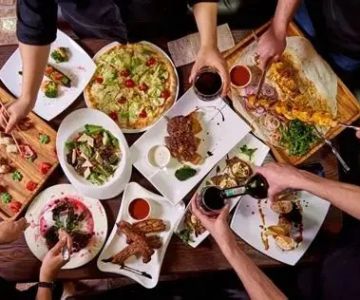
 iJAVA Cafe4.0 (630 reviews)
 New Tung Kee Noodle4.0 (766 reviews)
 Dave's Hot Chicken4.0 (226 reviews)
 Teriyaki Madness4.0 (71 reviews)
 Cooking Cooking3.0 (698 reviews)
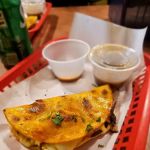 Rosario's Tacos4.0 (135 reviews)
 Guide to Finding Vegan & Vegetarian Restaurants Open Late in Urban Areas
 Top Restaurants Open Late for a Romantic Dinner on a Budget: Affordable Yet Memorable Dining
 Top Restaurants Open Late Near Me That Serve Signature Seafood Dishes
 Where to Eat When Food Feels Emotionally Right: A Guide to Intuitive Dining
 Dining Out on a Budget: Affordable Restaurants in Metropolitan Areas Near You
 How to Discover Restaurants Open Now with More Than Just Basic Menu Items | Foodie Finder