
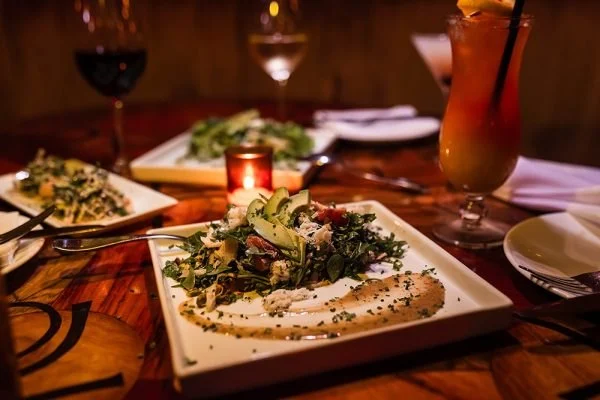
Restaurants That Turn Late Night Dining Into a Real Culinary Experience
- late-night-dining-experience - how modern restaurants redefine midnight meals beyond fast snacks
- gourmet-night-menus - exploring elevated dishes served after hours in major US cities
- chef-driven-midnight-food - how professional kitchens maintain quality during late service
- comfort-food-upgrade - why late night cravings are now treated like real dining moments
- urban-food-culture - how nightlife and food culture are merging in modern cities
When Late Night Eating Stops Being “Just Fast Food”
There was a time when eating after midnight meant one thing: greasy drive-thru burgers, instant noodles, or whatever gas station snacks were left on the shelf. But in many US cities today, that idea feels outdated. A new wave of restaurants that offer more than just basic late night menus has changed how people think about midnight meals.
In cities like New York, Los Angeles, Miami, and Chicago, chefs are treating late-night service as a creative extension of their daytime menus. Instead of cutting quality after 10 PM, they are building entirely different dining experiences designed for night owls, shift workers, and nightlife crowds.
The Shift Toward Elevated Late Night Menus
What drives this change is not just demand, but culture. Nightlife in urban America has evolved. People aren’t just going out for drinks anymore—they want full experiences that include meaningful food.
This shift has pushed restaurants to rethink what late-night service means. Instead of limiting menus, many places now design gourmet late night menus that feel like a curated version of their daytime offerings.
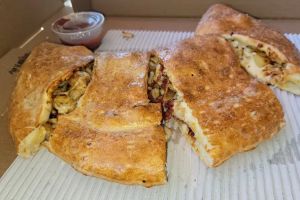
King Kong NY Pizza (Willow glen)
San JoseSanta Clara CountyCalifornia
2206 Lincoln Ave, San Jose, CA 95125, USA
Why quality matters after midnight
Late-night diners are often more selective than daytime guests. They’re not eating out of necessity—they’re eating for enjoyment, recovery, or social connection after events, concerts, or long shifts.
This is why restaurants that stay open late often invest in maintaining consistency. A steak at 1 AM should taste as intentional as one served at 7 PM. That mindset has changed expectations across the industry.
Real Examples of Cities Leading the Late Night Food Scene
New York City: Where late night never ends
In Manhattan and Brooklyn, it’s common to find chef-driven kitchens still active after midnight. Some offer tasting-style small plates inspired by global flavors, while others focus on elevated comfort food like truffle fries, wagyu sliders, or miso-glazed wings.
One local chef once described late-night service as “the most honest shift of the day,” because customers are relaxed, honest, and purely focused on taste.
Los Angeles: fusion meets nightlife
LA restaurants often blend cultures into their late-night menus—Korean tacos, sushi burritos, and high-end vegan comfort bowls. The goal isn’t just to feed people, but to match the energy of the city after dark.
Chicago: comfort food with depth
Chicago leans into hearty dishes. Deep-dish pizza at 2 AM is still a classic, but newer spots are upgrading the experience with sourdough crusts, artisan cheeses, and slow-simmered sauces that don’t feel rushed.
The Psychology Behind Late Night Cravings
Late-night eating isn’t random. Studies in food behavior show that people tend to crave salt, fat, and warm textures at night due to fatigue and dopamine changes. But interestingly, modern diners are no longer satisfied with low-quality versions of those cravings.
Instead of settling, they’re seeking restaurants that respect those cravings. That’s where the idea of restaurants that offer more than just basic late night menus becomes important—they fulfill emotional satisfaction, not just hunger.
A small real-life story from a late shift worker
A hospital nurse in Houston shared how she used to rely on vending machines after night shifts. But when a nearby bistro started offering late-night grilled salmon bowls and fresh salads until 2 AM, her entire routine changed. She described it as “finally feeling like someone cared about what I eat after a long shift.”
What Makes a Great Late Night Restaurant Today
1. Ingredient consistency
A real late-night kitchen doesn’t downgrade ingredients after peak hours. Fresh produce, properly stored proteins, and stable cooking processes define quality.
2. Menu adaptability
The best places simplify without sacrificing quality. Instead of full menus, they refine offerings into dishes that hold flavor integrity even at odd hours.
3. Staff culture
Night shifts require experienced staff who understand pacing. Many restaurants rotate senior chefs into late shifts to maintain standards.
Why This Trend Is Growing Fast
There are three major reasons:
First, cities are staying awake longer due to remote work and entertainment culture. Second, food delivery apps have expanded demand for quality late-night meals. Third, people are simply expecting more from dining at all hours.
Even small neighborhood restaurants are beginning to experiment with extended menus. Some use late-night hours as a testing ground for new recipes before adding them to daytime service.
How Travelers Benefit From Late Night Dining Culture
Tourists often discover a city through its night food scene. A traveler arriving late in a new city doesn’t want only fast food chains—they want authentic local flavors.
This is where curated guides like FastBite Guide help travelers find restaurants that stay open late and still deliver real culinary value instead of standard convenience meals.
The Future of Late Night Restaurants
Looking ahead, late-night dining is likely to become more personalized. We may see AI-assisted ordering systems, rotating micro-menus based on time, and chef-curated “midnight specials” designed for specific cravings.
But one thing is already clear: the era of low-effort midnight food is fading. People want meaning in every meal, even at 2 AM.
Why This Matters More Than You Think
Food at night isn’t just about convenience—it affects mood, recovery, and even sleep quality. Choosing better late-night meals can change how you feel the next morning, especially for people working irregular hours.
That’s why restaurants investing in this space are not just following a trend—they are reshaping how cities function after dark.
 iJAVA Cafe4.0 (630 reviews)
 New Tung Kee Noodle4.0 (766 reviews)
 Dave's Hot Chicken4.0 (226 reviews)
 Teriyaki Madness4.0 (71 reviews)
 Cooking Cooking3.0 (698 reviews)
 Rosario's Tacos4.0 (135 reviews)
 Guide to Finding Vegan & Vegetarian Restaurants Open Late in Urban Areas
 Top Restaurants Open Late for a Romantic Dinner on a Budget: Affordable Yet Memorable Dining
 Top Restaurants Open Late Near Me That Serve Signature Seafood Dishes
 Where to Eat When Food Feels Emotionally Right: A Guide to Intuitive Dining
 Dining Out on a Budget: Affordable Restaurants in Metropolitan Areas Near You
 How to Discover Restaurants Open Now with More Than Just Basic Menu Items | Foodie Finder