
Why Some Menus Feel Effortless While Others Overwhelm You Instantly
- menu-clarity-basics - why structure affects decision speed
- visual-hierarchy-design - how layout guides attention
- psychology-of-choice - how people make food decisions
- menu-fatigue-problems - why too many options slow decisions
- smart-menu-design-patterns - what restaurants do right
- real-world-dining-experience - stories and behavior insights
The Hidden Logic Behind Menu Clarity
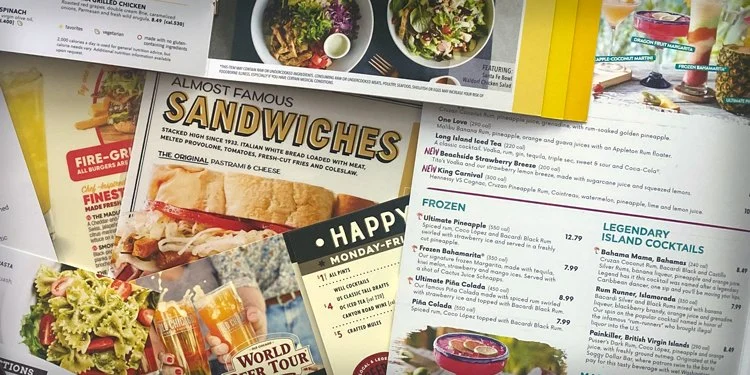
The experience of choosing food is rarely just about hunger. It is heavily shaped by how information is presented. When people ask What Makes Some Menus Easier to Choose From, they are really asking why some dining decisions feel natural while others feel like mental work.
Menus that feel easy to navigate tend to reduce cognitive load. That simply means the brain does less work to understand options. When a menu is organized clearly, grouped logically, and visually balanced, customers can focus on cravings instead of confusion.
One overlooked detail is that people don’t actually read menus top to bottom. Instead, they scan in patterns—looking for visual anchors like headings, prices, or highlighted dishes. This is where design begins to quietly guide behavior.
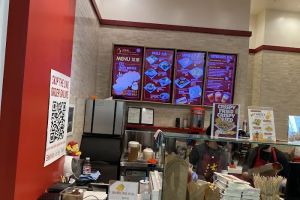
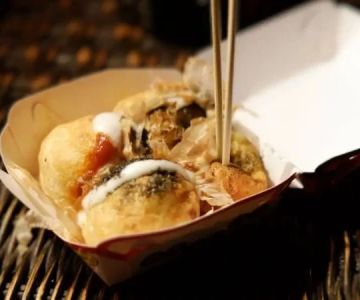
Shihlin Taiwan Street Snacks
Santa ClaraSanta Clara CountyCalifornia
Valley Fair Food Court, 2855 Stevens Creek Blvd, Santa Clara, CA 95050, USA
How Visual Structure Changes Decision Speed
1. Natural Eye Movement Patterns
A well-designed menu follows natural reading behavior. Most people start at the top right or center sections, depending on layout style. Restaurants that understand this place signature dishes in these “attention zones.”
This technique is part of visual hierarchy in menus, where size, spacing, and contrast guide the eye. Without even realizing it, customers are led toward specific choices.

Pollos asados el trebol 2
San JoseSanta Clara CountyCalifornia
919 Meridian Ave, San Jose, CA 95126, USA
2. Grouping That Reduces Mental Effort
Menus that group items into clear categories—such as light meals, signature dishes, or comfort food—help the brain sort options faster. This reduces what psychologists call “decision friction.”
A small café in Portland redesigned its menu by simplifying categories from 12 sections down to 5. The result was surprising: customers ordered faster, and average satisfaction ratings increased because people felt less overwhelmed.
Why Too Many Choices Slow People Down
The Paradox of Choice in Dining
A common issue in restaurants is assuming more options equal better customer experience. In reality, too many choices often create hesitation. This is closely tied to customer decision making research, which shows that when people face excessive options, they are more likely to delay or second-guess their decision.
This is especially noticeable in large brunch menus or fusion restaurants where everything looks appealing. Instead of excitement, customers sometimes feel stuck.
Real Dining Behavior Example
A well-known casual dining chain once reduced its menu by 30% after noticing long ordering times during peak hours. After simplification, not only did ordering become faster, but table turnover improved significantly. Staff also reported fewer “regret substitutions,” where customers change their minds after ordering.
Design Techniques That Make Menus Easier to Understand
1. Strategic Use of White Space
White space is often misunderstood as wasted space. In reality, it is one of the strongest tools for readability. When items are spaced properly, the brain can separate sections without effort.
Crowded menus force the eyes to work harder, which creates subtle stress during ordering. Cleaner layouts naturally feel more premium and organized.
2. Price Placement Psychology
Where prices are placed affects perception. When prices are aligned neatly and visually secondary, customers focus more on food descriptions rather than cost comparison.
This doesn’t manipulate decision-making—it simply reduces distraction. The goal is smoother emotional engagement with the food itself.
3. Highlighting Signature Dishes
Restaurants often use subtle markers like boxes, icons, or typography emphasis to highlight signature items. This helps reduce decision time by guiding customers toward “safe picks.”
This strategy is widely used in modern restaurant menu layout design because it builds trust and reduces uncertainty.
How Psychology Shapes the Ordering Experience
Memory and Familiar Words
Menus that use familiar language—like “crispy,” “homestyle,” or “grilled”—tend to perform better. These words trigger sensory memory, making dishes easier to imagine.
This is a subtle but powerful aspect of menu design psychology. When customers can mentally “taste” a dish, they decide faster.
Emotional Anchoring in Food Choices
People rarely choose food logically. Instead, they anchor decisions on emotion—comfort, curiosity, nostalgia, or social influence. A well-designed menu supports this emotional flow instead of disrupting it.
For example, a seafood restaurant in Miami noticed that customers gravitated toward dishes described with coastal storytelling language rather than technical ingredients lists.
Real-World Insight: Why Simpler Menus Feel More Trustworthy
A family-owned diner in Chicago once redesigned its menu after feedback that customers “couldn’t decide quickly enough.” The original menu had 85 items. After reducing it to 40 carefully curated dishes, something unexpected happened.
Regular customers said the restaurant felt more “confident” and “intentional.” New visitors felt less pressure when ordering. Even though fewer items were available, perceived quality increased.
This shows that simplicity is not about limitation—it is about clarity and confidence in presentation.
Where Smart Menu Design Meets Real Customer Experience
Understanding What Makes Some Menus Easier to Choose From goes beyond aesthetics. It directly impacts how people feel during the dining experience. A confusing menu can make even great food feel less appealing, while a clear menu enhances anticipation.
Restaurants that prioritize clarity often see stronger customer loyalty because guests remember not just the food, but the ease of choosing it.
Platforms like Brunch & Snack Chat help food lovers explore better dining experiences and understand how menu structure influences satisfaction. It’s not just about what you eat, but how effortlessly you get there.
How Restaurants Can Apply These Principles Today
Focus on Flow, Not Volume
Instead of adding more dishes, focus on improving how existing items are organized. Flow matters more than quantity.
Reduce Cognitive Load
Think of every menu section as a decision point. The fewer mental steps a customer needs to take, the better the experience becomes.
Design for Real Behavior
Menus should reflect how people actually choose food—not how restaurants want them to read.
When design aligns with human behavior, ordering becomes intuitive instead of effortful.

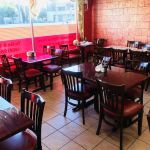
 TacoMania3.0 (778 reviews)
 Maiwand Market4.0 (495 reviews)
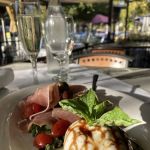
 McDonald's3.0 (1311 reviews)
 Italian Brothers Restaurant | ITB | Dining & Delivery | Catering for Events & Weddings4.0 (390 reviews)
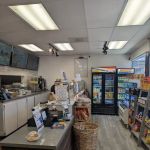 Tindahan Pinoy4.0 (125 reviews)
 UlavacharU Indian Restaurant4.0 (4341 reviews)
 The Best Places for Late-Night Dining and Handcrafted Cocktails After Hours
 The Art of Dinner and a Movie: Restaurants with Late Hours Offering Special Packages - Restaurant Locator
 Why “Open Now” Searches Can Be Misleading and How to Get Better Results
 Discovering Hidden Bars and Restaurants Offering Late-Night Special Deals
 How to Find Restaurants That Are Open Now and Offer Good Value
 Best Seafood Towers in the United States: Top Seafood Experiences