
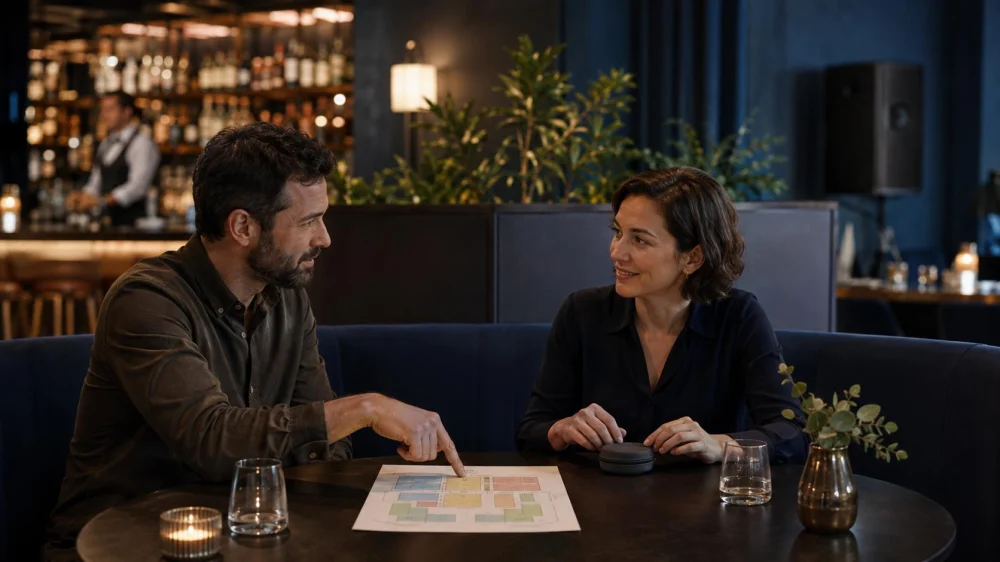
Restaurant Noise Level: Choose Seating and Protect Comfort
On this page
Quick answer
restaurant noise level planning is easiest to manage when you define the goal, verify the relevant details, and set clear stop conditions before acting. Ask about typical busy periods and music, describe seating needs, choose distance from speakers and service traffic, use communication supports, monitor comfort, and change plans when needed. Start with current instructions and observable facts, use a written checklist, and ask a qualified professional when the safe choice depends on technical, medical, legal, or site-specific judgment.
Understand restaurant noise level planning
For this guide, restaurant noise level planning means a deliberate process for a specific situation rather than a promise of one universal answer. The relevant details can change with equipment, venue, provider, product, weather, health, local rules, and individual needs. Separate what you can observe from what requires measurement, records, or professional judgment.
This article is for readers in United States who want a practical starting point. It is not a substitute for current manufacturer instructions, venue rules, public guidance, contracts, or advice from a qualified professional who can assess the actual situation.

La Hacienda Bar Lounge
San JoseSanta Clara CountyCalifornia
95 S Market St #170, San Jose, CA 95113, USA
Practical checklist
- Read the current menu description and ask what is actually included today.
- Confirm portion, preparation, accompaniments, price, and whether the item is intended for one person or sharing.
- Describe flavour, texture, richness, and heat preferences instead of relying on labels such as authentic or best.
- Disclose food allergies before ordering and ask about ingredients, substitutions, and shared preparation.
- Choose contrasting items so the order has variety without unnecessary duplication or waste.
- Ask about timing when dishes should arrive together or must be eaten promptly.
- Check takeaway packaging and refrigerate per current food-safety guidance rather than leaving food at room temperature.
Step-by-step plan
- Identify the menu format and the role this item will play in the meal.
- Ask one or two focused questions about unfamiliar ingredients, technique, portion, or heat.
- Balance the order with a different texture, vegetable, staple, or lighter dish where appropriate.
- Confirm allergy and dietary needs using the actual recipe, not assumptions based on the dish name.
- Taste before adding condiments and make small adjustments.
- Note what worked by ingredient and preparation so the preference transfers to another restaurant.
Keep a short record for restaurant noise level planning: date, observed condition, decisions, questions, responsible person, due date, and outcome. Photos or receipts can support the record when appropriate, but store personal, property, or account information securely.
Limits and important notes
Menus, recipes, portions, and kitchen practices vary. Appearance and a familiar name cannot verify ingredients, allergens, nutrition, or food safety. People with serious allergies or medical dietary needs should rely on current restaurant information and qualified health guidance.
A reservation note may not guarantee a quiet table, and sound conditions can change. Do not block aisles, exits, or staff routes when changing seats. People with hearing devices, sensory needs, tinnitus, migraines, or other health concerns should follow their individual plan and seek professional guidance for persistent or worsening symptoms.
Frequently asked questions
What should I check first for restaurant noise level planning?
Start with the immediate safety or suitability question, then verify current instructions, condition, scope, timing, and who is responsible.
When is the lowest price not the best choice?
When it changes scope, quality, safety, access, support, or total cost. Compare like with like and document exclusions.
Can online reviews answer the decision?
Reviews can reveal questions to ask, but they may be incomplete, outdated, or unrelated to your exact need. Verify important facts directly.
What if the information conflicts?
Pause and ask the responsible provider, manufacturer, venue, authority, or qualified professional to clarify in writing when possible.
What should I save afterward?
Keep the final instructions, receipt or agreement, relevant photos, results, warranty or follow-up details, and unresolved actions.
Sources and evidence
Use current primary information for restaurant noise level planning: manufacturer instructions, the responsible venue or provider, written agreements, local authorities, and qualified professionals. Verify details for United States and the specific date because rules, availability, prices, and operating conditions can change.
Conclusion and next steps
Turn restaurant noise level planning into a short sequence: define the goal, verify the critical facts, prepare safely, act within clear limits, and record the outcome. Ask about typical busy periods and music, describe seating needs, choose distance from speakers and service traffic, use communication supports, monitor comfort, and change plans when needed. If an important fact remains uncertain, pause before committing time, money, access, or safety.

 Phở 24 | Vietnamese Cuisine & Sweet Tea4.0 (276 reviews)
 Banmie & Hoagie Steak Out4.0 (75 reviews)
 Erik's DeliCafé4.0 (327 reviews)
 Petiscos "Downtown4.0 (675 reviews)
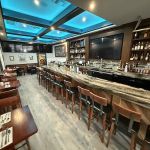 John's of Willow Glen restaurant4.0 (714 reviews)
 Hercules Draft House & Cantina4.0 (257 reviews)
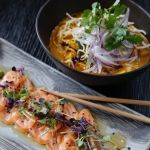 Best Sushi Restaurants Open Late for a Midnight Meal Near Me
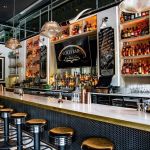 Best Places for Late-Night Dining and Handcrafted Cocktails After Hours
 Discovering the Best Late-Night Taco Restaurants Open Near Me
 The Best Casual Spots Open Late That Serve Delicious Fish Tacos and Sides
 Date-Night Picks: Restaurants with Romantic Ambience and Late Service
 Why Healthy-Eating Restaurants Are Shifting to Round-the-Clock Options