
What Makes Restaurants Ideal for Quick and Efficient Dining
- 1-Speed-and-Efficiency
- 2-Menu-Design-and-Choices
- 3-Location-and-Accessibility
- 4-Staff-Training-and-Customer-Service
- 5-Technology-and-Ordering-Systems
- 6-Atmosphere-and-Dining-Experience
- 7-Real-World-Examples
- 8-Making-Your-Visit Efficient
1. Speed and Efficiency
One of the defining traits of restaurants perfect for quick meals is the emphasis on speed and operational efficiency. Kitchens are designed for rapid preparation, and workflows are optimized to minimize wait times. Dishes are often prepped in advance or simplified to allow consistent, fast execution without sacrificing quality.

1.1 Streamlined Kitchen Processes
Restaurants that excel at quick meals invest in well-organized kitchens. Ingredients are pre-portioned, stations are clearly defined, and staff are trained to handle multiple tasks simultaneously. This ensures that even during peak hours, orders are prepared swiftly and accurately.
1.2 Order Prioritization
Effective systems prioritize orders by urgency and complexity. Many quick-service restaurants implement color-coded tickets, digital order displays, and clear communication protocols to keep the flow uninterrupted. This reduces errors and guarantees that meals reach tables promptly.
2. Menu Design and Choices
Menu structure is crucial in facilitating quick dining experiences. Restaurants designed for fast meals tend to have menus that are concise, clear, and strategically structured.
2.1 Limited but Popular Options
Offering a focused menu reduces decision fatigue and speeds up preparation. Most fast and efficient dining spots concentrate on popular dishes that can be prepared quickly without compromising taste. Rotating seasonal specials maintain interest while keeping processes manageable.
2.2 Customizable Items
Many modern quick-service restaurants allow customers to personalize meals without slowing down service. Simple add-ons or mix-and-match options are pre-designed for easy assembly, giving diners the flexibility to create their ideal plate efficiently.
3. Location and Accessibility
Proximity and convenience are key. Restaurants ideal for quick meals are typically located near busy commercial districts, transportation hubs, or high-traffic areas.
3.1 Ease of Entry and Exit
Efficient seating, clearly marked entrances, and well-managed parking contribute to a seamless experience. Drive-thru or curbside pickup options are increasingly popular for busy diners seeking quick meals.
3.2 Foot Traffic and Delivery Integration
These restaurants often partner with delivery platforms or maintain internal delivery services to cater to customers on tight schedules. High visibility and accessible location encourage repeat visits and increase overall convenience.
4. Staff Training and Customer Service
Fast meals don’t mean sacrificing quality interaction. Staff training ensures that employees can manage time effectively while maintaining excellent customer service.
4.1 Cross-Functional Training
Staff are often trained in multiple roles—cashier, prep, and serving—to increase flexibility during peak hours. This versatility ensures that the restaurant runs smoothly even under high demand.
4.2 Efficient Communication
Clear protocols for greeting, taking orders, and delivering meals speed up service and create a pleasant customer experience. Professional yet friendly interaction enhances customer satisfaction without slowing the process.
5. Technology and Ordering Systems
Integration of technology streamlines the ordering and payment process, a key factor for restaurants optimized for quick meals.
5.1 Digital Ordering Platforms
Self-service kiosks, mobile apps, and online ordering systems reduce wait times and allow customers to order ahead. This not only expedites service but also helps staff manage workflow efficiently.
5.2 POS Systems and Kitchen Displays
Modern point-of-sale systems connected to kitchen displays eliminate communication delays and reduce errors. Real-time updates help staff prioritize orders accurately, ensuring faster meal preparation.
6. Atmosphere and Dining Experience
The ambiance of a restaurant affects the perception of speed. Comfortable seating, minimal clutter, and intuitive layouts make dining efficient and enjoyable.
6.1 Layout Optimization
Tables are arranged to allow easy movement for both staff and customers. Clear signage, organized condiment stations, and designated pick-up areas prevent bottlenecks and enhance the overall flow.
6.2 Visual Cues for Efficiency
Open kitchens, visible preparation areas, and menu displays above counters help customers understand service speed and options, reducing uncertainty and improving satisfaction.
7. Real-World Examples
Popular chains and local eateries provide tangible examples of restaurants optimized for quick meals. For instance, a small urban café in Chicago managed to maintain average service times under 10 minutes by pre-prepping ingredients and using tablet-based ordering. Another example is a New York deli that integrates mobile ordering and curbside pickup, catering to busy professionals on lunch breaks.
7.1 Lessons from Local Favorites
Local establishments often implement creative strategies, such as combo meals, express lanes, or pre-set menus for peak hours. Observing these practices provides insights into effective quick-service operations and customer satisfaction strategies.
8. Making Your Visit Efficient
Customers can maximize their quick meal experience by planning ahead, choosing menu items wisely, and leveraging technology.
8.1 Order Strategically
Select dishes that are known for quick preparation. Many restaurants offer “express menu” options or pre-configured combos that reduce wait time.
8.2 Use Technology
Mobile apps, online ordering, and loyalty programs streamline payment and order tracking, ensuring you spend less time waiting and more time enjoying your meal.
8.3 Know Peak Times
Avoiding peak lunch or dinner hours can make a significant difference in speed and comfort. Observing traffic patterns and scheduling visits accordingly enhances efficiency.
Restaurants that excel in providing quick meals combine operational efficiency, smart menu design, strategic location, skilled staff, and technology integration. Understanding these factors allows diners to make informed choices, ensuring a fast, satisfying, and enjoyable experience. To explore top recommendations and find the best spots for efficient meals near you, check out trusted platforms that curate restaurants optimized for speed and quality.

 La esquinita cactus0.0 (0 reviews)
 Via Mia Pizza4.0 (151 reviews)
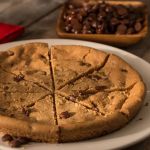 Mountain Mike's Pizza3.0 (195 reviews)
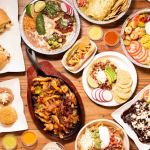 3 Hermanos Mexican Grill3.0 (131 reviews)
 It's Just Wings2.0 (20 reviews)
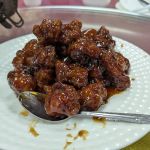 Shanghai Delight4.0 (248 reviews)
 Best Rooftop Bars With Food in LA
 Most Loved Mexican Sweets in America
 Discover Restaurants That Are Perfect for Both Lunch and Dinner | Dining Guide
 Most Popular Southern Biscuits in the US - A Guide to Southern Favorites
 The Best 24/7 Diners That Offer Everything from Burgers to Breakfast All Day
 Discovering Hidden Bars and Restaurants Offering Late-Night Special Deals