
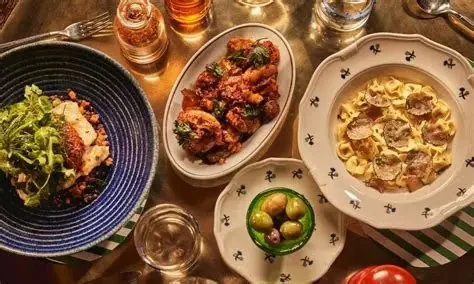
Restaurants Where You Can Show Up Alone or With a Crowd and Still Feel Right at Home
- flexible-dining-spaces - How restaurant design supports both solo guests and large groups
- solo-experience - Why eating alone is becoming more common and socially accepted
- group-dining-flow - How restaurants manage reservations and seating for groups
- menu-adaptability - Why versatile menus matter for mixed dining situations
- real-life-scenarios - Stories showing how different diners experience the same restaurant differently
Why Some Restaurants Naturally Work for Both Solo and Group Dining
The modern dining landscape has changed in ways that would have seemed unusual a decade ago. Restaurants are no longer just spaces for families or date nights—they’ve become flexible social environments where a solo diner reading a book can sit comfortably next to a group celebrating a birthday. The best restaurants that work well for both solo and group dining tend to share one core trait: adaptability. This means seating layouts that don’t isolate individuals, menus that don’t require sharing, and staff trained to read the room.
One overlooked factor is psychological comfort. A restaurant might technically accommodate everyone, but if a solo guest feels awkward or a large group feels cramped, the experience fails. Successful restaurants balance both ends of the spectrum with thoughtful interior design and pacing of service.
The Solo Dining Experience and Why It Matters More Than Ever
Solo dining used to be seen as unusual, but today it represents independence, travel culture, and even mindfulness. Many people traveling for work or personal exploration actively search for restaurants for solo travelers that feel welcoming rather than isolating.
A great example comes from a small café in Seattle where counter seating faces a kitchen window. Solo diners often choose it not because they must, but because it gives them a sense of participation. They can observe cooking, chat lightly with staff, or simply enjoy their meal without feeling “watched” by large tables around them.
This kind of design shows how restaurants can intentionally support solo dining restaurants without compromising group functionality. High stools, shared communal tables, and window-facing counters all create flexibility.
How Group-Friendly Restaurants Manage Flow and Energy
On the opposite end of the spectrum are group friendly restaurants that handle energy, noise, and coordination challenges. Large groups tend to arrive with expectations—celebrations, conversations, and shared dishes. Managing this without disturbing solo diners is an art.
Some restaurants solve this by zoning their spaces. One section may be quieter for solo guests, while another accommodates best restaurants for groups with larger tables and more open layouts. Others use reservation timing strategies to avoid overcrowding during peak hours.
A real-world example comes from a popular Italian restaurant in Chicago. On weekends, they reserve half the dining room for walk-in solo guests and couples, while the other half is dedicated to pre-booked groups. This balance keeps both experiences intact without conflict.
Design Choices That Shape the Dining Experience
Interior design plays a major role in how restaurants serve different customer types. Flexible seating restaurants often use modular furniture that can be rearranged quickly. Tables that can be pushed together for groups or separated for individuals give staff more control over flow.
Lighting also matters more than most people realize. Softer lighting in solo seating areas creates calmness, while brighter communal zones encourage interaction. Even acoustics—like sound-absorbing ceilings—help ensure that group conversations don’t overwhelm solo diners.
Some modern restaurants even integrate bar-style seating along open kitchens. This setup naturally supports solo dining while still feeling energetic enough for social groups.
Menu Structure and Its Hidden Role in Flexibility
Menus often determine whether a restaurant truly succeeds at serving both solo and group dining. A rigid sharing-only menu can alienate solo guests, while overly individual portions may not satisfy groups looking for shared experiences.
The most effective approach is hybrid design. For example, small plates allow groups to share while still letting solo diners order multiple items without waste. At the same time, customizable dishes ensure flexibility regardless of party size.
One interesting case comes from a fusion restaurant in Los Angeles that redesigned its menu after noticing a split between solo tech workers and large friend groups. By introducing half-portion options, they increased overall customer satisfaction significantly.
Real-Life Dining Scenarios That Show the Difference
Consider a traveler visiting New York alone for work. They choose a restaurant known for its solo dining restaurants setup, sit at the bar, and end up chatting with the bartender about local food trends. The experience feels personal, efficient, and relaxed.
Now imagine the same restaurant on a Friday night when a group of eight arrives for a celebration. Because the layout includes flexible group seating, they are accommodated without disrupting the solo guests nearby. Both experiences coexist smoothly.
These overlapping scenarios highlight why modern restaurants must think beyond traditional segmentation.
Choosing the Right Place for Any Occasion
When deciding where to eat, it helps to quickly assess whether a restaurant can handle both solo and group needs. Look for visible flexibility—movable seating, varied table sizes, and staff that seem comfortable handling mixed traffic.
If you’re planning outings or exploring curated dining environments that prioritize both solo and group experiences, platforms like American-style dining guides and curated listings such as American Dance Academy style community recommendations can also help identify versatile spots worth visiting.
The key is not just finding food, but finding environments where your dining experience feels natural regardless of who is with you.
Where Dining Culture Is Heading Next
The future of restaurants is increasingly hybrid. As remote work, travel flexibility, and social habits evolve, more establishments are designing around adaptability rather than fixed customer types. The line between solo dining restaurants and group-friendly restaurants is becoming less defined.
We are already seeing experimental spaces where seating adjusts automatically based on reservations, and menus change dynamically depending on party size. This evolution suggests that future dining experiences will be more personalized than ever before.
 El Ranchon5.0 (8 reviews)
 Ono Hawaiian BBQ4.0 (310 reviews)
 Jon Jon's4.0 (437 reviews)
 Taco De Oro Taco Truck3.0 (48 reviews)
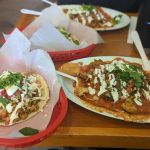 Tacos El Compa Taqueria4.0 (1085 reviews)
 Orchard City Kitchen4.0 (2495 reviews)
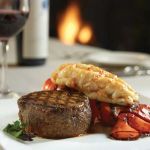 Steakhouses Serving Perfectly Cooked Premium Cuts | Guide to Top Steak Dining
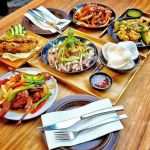 Stress-Free Late Night Dining: Restaurants That Make It Easy
 Hidden Gems: Small-Town Restaurants You Probably Didn’t Know Were Open Nearby | Restaurant Locator
 Most Popular Donut Shops in the Midwest Worth Visiting
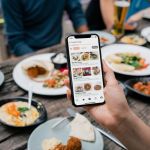 Why Restaurant Locator Platforms Are Essential for Travelers Visiting New Cities
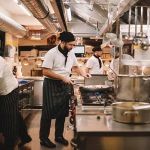 How to Find Restaurants with Open Kitchens That Stay Open Late | Late-Night Dining