
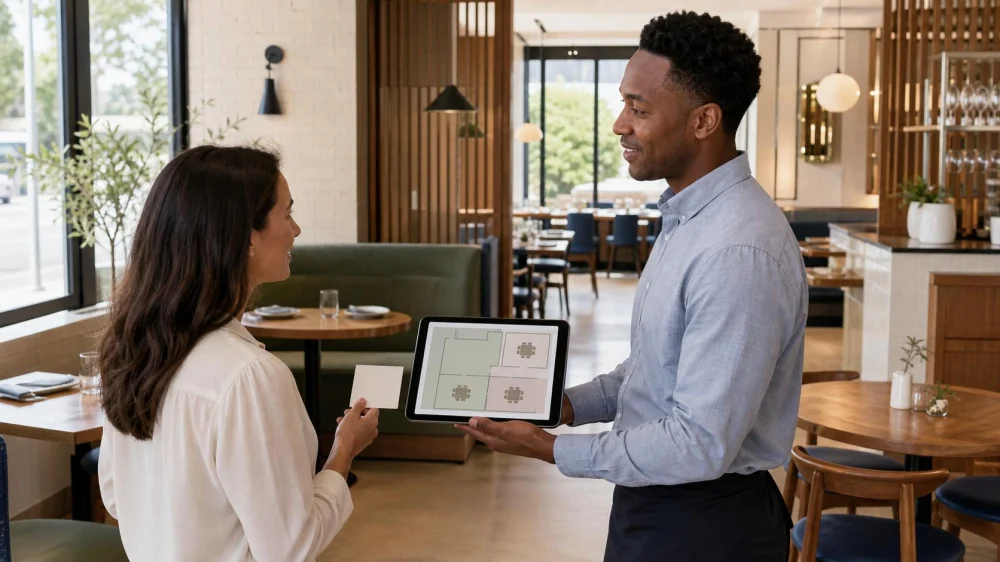
Restaurant Table Request: Compare Noise, Traffic, and Comfort
On this page
Quick answer
A useful restaurant table request names the need behind the location, such as lower noise, step-free access, space for mobility equipment, less foot traffic, shade, or distance from a speaker. Give one primary need and one acceptable alternative when reserving, then confirm at arrival. A request is not a guarantee; table inventory, safety, party size, weather, and current operations can change placement.
This guide is for restaurant seating requests in the United States. Individual layouts, reservation systems, accessibility features, fire rules, staffing, and policies vary.
Define the real seating priority
“Best table” is not specific. One diner may want a lively room, while another needs lower sound or a shorter route to the restroom.
- Conversation: Lower background music, distance from speakers, fewer hard surfaces, or a booth may help.
- Mobility: Step-free route, suitable table height, turning space, chair removal, and a clear restroom path may matter.
- Hearing or vision: Lighting on faces, less backlighting, lower noise, and a position away from service traffic can support communication.
- Sensory comfort: Distance from kitchen sounds, fragrance, flashing displays, crowds, or direct speakers may be important.
- Temperature: Avoid direct sun, exterior doors, heaters, air-conditioning vents, or open kitchen heat.
- Children: High-chair space, stroller policy, hot service routes, and distance from exits or stairs can affect placement.
- Privacy: A corner or booth may reduce exposure, but can be farther from staff or less accessible.
Choose the priority that would make the visit unworkable if missed. Treat preferences such as a view or a particular booth as secondary.
Compare common seating zones
Near the entrance
This may offer a short route and easier pickup for some diners, but can bring drafts, waiting guests, door noise, and frequent traffic.
Near the kitchen or service station
Staff may be nearby, but dishes, carts, conversations, light, heat, and traffic can increase. Avoid placing bags or mobility equipment in service routes.
Window table
Daylight and a view can be pleasant, while glare, direct sun, heat, cold glass, or backlighting may reduce comfort. Conditions change by time and weather.
Booth
A booth can feel contained and sometimes quieter. Fixed seats, steps, narrow openings, high backs, or table position may not suit every body, mobility aid, transfer, or child seat.
Center of the room
Central tables can feel social and receive consistent service, but may have traffic on several sides and less sound buffering.
Patio or outdoor area
Outdoor seating changes with weather, shade, insects, smoke, street noise, surface level, and heater placement. Confirm that the patio is actually open and accessible that day.
Make a useful table request
- Contact the restaurant directly. Reservation notes can be overlooked or truncated.
- Name the need. Say “lower noise because one guest uses hearing aids” rather than “quietest table.”
- Give exact equipment. Mention wheelchair, walker, service animal, high chair, or transfer space without assuming the restaurant knows dimensions.
- Offer one alternative. For example: indoor lower-noise table preferred; shaded patio acceptable if step-free.
- Confirm the party. Give final guest count, children, high chairs, and whether everyone can sit at a standard-height table.
- Ask about timing. A slightly earlier reservation may provide more placement options, but do not assume it.
- Request acknowledgment. Ask the restaurant to confirm what it can support and what remains only a preference.
Do not request a table that blocks an exit, aisle, service station, accessible route, or fire equipment. The restaurant must preserve safe circulation.
Check the table at arrival
Before everyone settles:
- Confirm the route, chair position, table height, lighting, noise, temperature, and nearby traffic.
- Check that mobility equipment, a service animal, high chair, or stroller can be positioned safely.
- Notice direct speakers, air vents, exterior doors, sun, hot lamps, swinging kitchen doors, or server stations.
- Ask immediately if the placement does not meet the confirmed need.
- Accept that moving may require a wait, a different table type, or a change in section.
Do not rearrange tables, move barriers, disconnect equipment, or create a new aisle without staff approval. Let the host manage the layout.
Access, safety, and limitations
Accessibility: Contact the restaurant about specific access needs. A photo or “accessible” icon may not answer table height, transfer, restroom, route, or seating questions.
Service animals: A service animal must remain under the handler’s control and out of aisles. Ask for floor space, not a chair or table surface.
Emergencies: No seating preference should obstruct exits or make evacuation harder. Know the nearest exit without moving safety equipment.
Guarantees: Private events, broken equipment, weather, late departures, party changes, and staffing can alter the floor plan. Ask what alternative the restaurant can offer.
Evidence and practical notes
This approach follows a simple decision rule: identify the functional need, describe it in concrete terms, offer an alternative, and verify the actual environment before settling.
Restaurant photos and floor maps may be outdated or omit sound, glare, temperature, steps, and traffic. Current staff confirmation and an arrival check are stronger evidence for a specific visit.
Frequently asked questions
Can a restaurant guarantee a specific table?
Sometimes a business confirms a table, but many treat location notes as requests. Ask which part is guaranteed and what happens if the table becomes unavailable.
Which table is usually quietest?
There is no universal zone. Speaker placement, hard surfaces, kitchen openings, bar activity, party size, and time affect sound. Ask staff which current section has lower noise.
Is a booth better for children?
It can contain movement, but fixed seating, gaps, table edges, hot dishes, and high-chair incompatibility may create problems. Ask what child seating the restaurant permits.
Can I ask to sit near the restroom?
Yes. Explain that a shorter route matters and ask whether it can be provided without placing the table in heavy traffic or blocking access.
What if the table does not meet a disability-related need?
Tell the host which feature is not workable and ask for an appropriate alternative. If needed, speak with a manager. Do not accept an unsafe route or move furniture yourself.
Conclusion and next steps
Turn “good table” into one functional priority: lower noise, accessible space, reduced traffic, suitable lighting, stable temperature, or safer child seating. Contact the restaurant directly, offer one alternative, and confirm at arrival. A specific need gives the host a better chance to place the party well while preserving safe restaurant operations.
 The Port of Peri Peri4.0 (48 reviews)
 La Victoria Taqueria4.0 (1835 reviews)
 TacoMania4.0 (690 reviews)
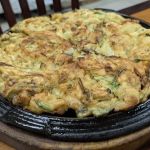 JangTu Restaurant4.0 (565 reviews)
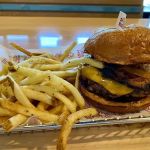 Smashburger4.0 (917 reviews)
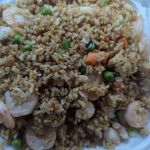 Chef P's Restaurant4.0 (297 reviews)
 Restaurant Takeout Pickup Checklist: Verify, Pack, and Travel Safely
 Exploring the Best “Dinner and a Show” Restaurants Open Late at Night
 Where to Find Healthy Late-Night Dining Options Open After Hours
 Most Loved Mexican Sweets in America
 Restaurants Open Near Me That Offer Live Sports Screens & Great Food
 How to Check Restaurant Parking Before You Reserve