
- - Understanding-Why-Restaurants-Become-Overcrowded
- - Peak-Hours-and-How-They-Affect-Your-Dining-Experience
- - Smart-Strategies-for-Avoiding-Crowded-Spots
- - Real-Life-Dining-Stories-and-What-We-Learned
- - How-Technology-Helps-You-Plan-Better-Meals
- - Behavioral-Patterns-of-Restaurant-Crowds
- - Practical-Tips-for-Better-Reservation-Planning
- - Choosing-Better-Alternatives-Without-Compromising-Quality
- - Long-Term-Habits-for-Smoother-Dining-Experiences
Understanding Why Restaurants Become Overcrowded
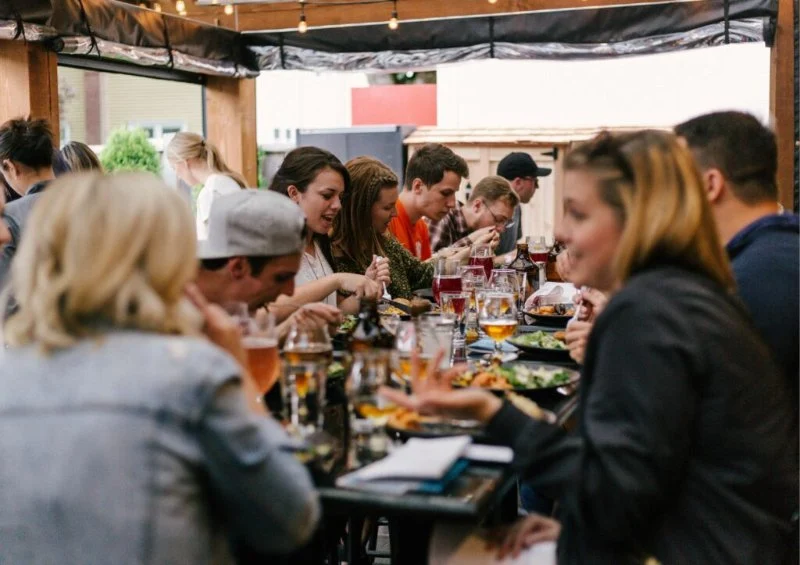
Most people assume overcrowded restaurants are simply a sign of popularity, but the reality is more layered than that. When analyzing Avoiding the Most Overcrowded Dining Spots, it becomes clear that crowding is driven by predictable patterns such as timing, social trends, and limited seating capacity.
For example, weekend evenings naturally concentrate demand. Add in viral social media posts or limited-time menus, and even mid-range restaurants can become overwhelmed within hours.
One restaurant owner in New York once shared how a single influencer post caused a two-week reservation backlog. This highlights how fragile dining availability can be in the modern food ecosystem.
Peak Hours and How They Affect Your Dining Experience
Lunch Rush and Office Culture
Between 12 PM and 2 PM, restaurants near business districts experience predictable surges. Office workers have limited time, leading to compressed demand windows.
Dinner Peaks and Social Culture
Evening hours from 6 PM to 8:30 PM are the most competitive. Families, couples, and groups all converge at once, making wait times significantly longer.
Weekend Overload
Saturday evenings often represent the highest congestion point of the entire week, especially in urban dining hubs.
Smart Strategies for Avoiding Crowded Spots
Successfully practicing Avoiding the Most Overcrowded Dining Spots requires more than luck—it requires timing awareness and behavioral planning.
1. Shift Your Dining Schedule
Eating slightly earlier or later than peak hours can dramatically improve your experience. For example, dining at 5 PM instead of 7 PM often eliminates wait times entirely.
2. Choose Neighborhood Alternatives
Instead of high-traffic tourist zones, exploring nearby residential areas often leads to better seating availability and more authentic food experiences.
3. Use Reservation Windows Strategically
Booking tables mid-week or during off-peak hours increases your chances of securing premium seating options.
Real-Life Dining Stories and What We Learned
A couple in Chicago once planned a romantic dinner at a trending Italian restaurant. Without a reservation, they waited nearly two hours only to be seated near the kitchen entrance. Their experience highlights how poor timing can impact even the best restaurants.
After that experience, they started adjusting their dining habits—booking early weekday dinners instead of weekend nights. Their satisfaction improved significantly without changing the type of restaurants they visited.
Another story comes from a group of friends who discovered that switching from downtown brunch spots to suburban cafés gave them shorter wait times and better service quality overall.
How Technology Helps You Plan Better Meals
Modern apps and restaurant analytics tools have changed how people approach dining. They now provide real-time wait times, peak-hour predictions, and crowd heatmaps.
These tools support smarter decision-making for Avoiding the Most Overcrowded Dining Spots by helping users anticipate crowd behavior before they even leave home.
Behavioral Patterns of Restaurant Crowds
Human behavior plays a major role in restaurant congestion. People tend to follow group behavior, meaning once a restaurant becomes “popular,” it often stays crowded regardless of actual quality differences.
This herd effect explains why some average restaurants remain full while equally good alternatives nearby stay half-empty.
Practical Tips for Better Reservation Planning
Plan Ahead Instead of Last Minute Decisions
Last-minute dining decisions often lead to limited options and longer waits.
Leverage Off-Peak Days
Tuesdays and Wednesdays often provide the best balance between availability and service quality.
Monitor Local Event Calendars
Concerts, sports games, and festivals can drastically increase restaurant demand in nearby areas.
Choosing Better Alternatives Without Compromising Quality
One misconception about Avoiding the Most Overcrowded Dining Spots is that it requires sacrificing quality. In reality, many less crowded restaurants offer better attention, fresher food, and more relaxed environments.
For example, a hidden sushi bar in Los Angeles gained loyal customers not because it was trendy, but because it consistently offered excellent service without the chaos of mainstream locations.
Platforms like Dine Droop help users discover these balanced dining experiences by highlighting quality spots that are often overlooked by mainstream traffic.
Long-Term Habits for Smoother Dining Experiences
Over time, developing awareness of dining patterns can completely change how you experience restaurants.
People who consistently avoid peak hours report lower stress, better service, and more enjoyable meals overall. It becomes less about “avoiding crowds” and more about intentional lifestyle planning.
Even small adjustments, such as dining 30 minutes earlier or choosing weekday outings, can significantly improve long-term satisfaction.

 Shihlin Taiwan Street Snacks3.0 (123 reviews)
 Ono Hawaiian BBQ4.0 (310 reviews)
 Robee's Falafel3.0 (27 reviews)
 Subway4.0 (106 reviews)
 TRIFINIO LATIN FOOD3.0 (2 reviews)
 Pinto cocina mexicana3.0 (14 reviews)
 Best Place for Dim Sum in San Francisco
 Best Places for Breakfast in DC: Top Spots for a Delicious Morning Meal
 Top Restaurants Open Late for a Romantic Dinner on a Budget: Affordable Yet Memorable Dining
 Top Restaurants Open Late Near Me That Serve Signature Seafood Dishes
 Best Diners for Breakfast in the US
 How to Use Mobile Apps to Locate Restaurants Open Near You in Real Time