

How to Choose a Restaurant for a Group Dinner
On this page
Quick answer
Choose a group-dinner restaurant by agreeing on five facts first: confirmed headcount, total budget, location range, dietary or accessibility needs, and the kind of conversation or celebration planned. Shortlist only places that can verify those requirements, then compare menu range, seating, noise, deposits, cancellation terms, gratuity, and split-check policy. Confirm everything directly before collecting money or inviting guests.
Group dining fit is the match between a restaurant's current menu, space, service rules, and the practical needs of every guest.
Define the group's real needs
- Confirm the headcount range. Separate definite guests from possible additions and note children who need seats.
- Set the budget format. Decide whether the target is per person before tax and tip, an all-in amount, or a hosted total.
- Map the travel area. Consider transit, parking, rideshare pickup, and how far the least-mobile guest can reasonably travel.
- Collect essential needs privately. Ask about allergies, dietary restrictions, step-free access, seating support, hearing or sensory needs, and service animals.
- Define the occasion. A lively birthday, business conversation, family reunion, and quick pre-event meal require different rooms and pacing.
Distinguish requirements from preferences. A cuisine vote can break a tie, but a medically important allergy or verified access need must be screened before a restaurant joins the shortlist.

Build a useful shortlist
Start with three to five candidates, not a long unranked list. Use Restaurant Locator to identify nearby possibilities, then visit each restaurant's current official menu or contact channel. Check the desired date and party size because ordinary reservation availability does not prove the restaurant can seat a large group together.
- Current operating hours and kitchen closing time
- Maximum online reservation size and large-party contact process
- Private, semi-private, communal, patio, or standard dining options
- Transit, parking, entrance, restroom, and seating information
- Menu format: à la carte, family-style, prix fixe, minimum spend, or set menu
- Recent official notices about renovations, events, or limited menus
Third-party listings and reviews are useful discovery signals, but hours, menus, policies, and accessibility details can change. Verify the deciding facts with the restaurant.
Check menu and budget fit
Estimate a realistic total using the menu's current prices, likely beverages, tax, stated service charges, and additional gratuity rules. Ask whether large parties must use a set menu, meet a food-and-beverage minimum, or place orders in advance. Do not advertise a per-person figure until the restaurant explains what it includes.
For dietary needs, ask how the kitchen handles the specific ingredient and cross-contact risk. “Vegetarian-friendly” does not establish that a dish is vegan, allergy-safe, gluten-free, halal, or kosher. If the restaurant cannot confidently accommodate a medically necessary restriction, choose a safer candidate rather than pressuring the guest to improvise.
Evaluate the room and seating
Ask whether the party will be seated at one table, several adjacent tables, a booth, high-tops, or a communal table. Confirm steps, doorway and aisle access, table height, chair type, restroom route, patio weather plan, and proximity to speakers or busy service stations when relevant.
A quieter restaurant is best for business discussions, older guests who struggle with background noise, and groups that want one shared conversation. A lively room may suit a casual celebration but is not ideal when guests need to hear speeches or use assistive communication.
Confirm reservation terms
- Final headcount deadline and whether the table is held for late arrivals
- Deposit, credit-card guarantee, cancellation, and no-show charges
- Automatic gratuity, service charge, room fee, cake fee, or minimum spend
- Separate checks, card limits, cash handling, and digital payment policy
- Outside cake, decorations, gifts, balloons, photography, and vendor rules
- Arrival time, seating duration, last order, and closing schedule
- Written confirmation contact and the restaurant's change process
Request a written summary for any deposit or special arrangement. Keep the name of the staff member, date, agreed party size, and confirmation number.
Use a simple decision matrix
Score only verified facts from 0 to 2: 0 means unsuitable, 1 means acceptable with a tradeoff, and 2 means a clear fit.
- Must-pass: availability, access, allergy accommodation, and maximum budget
- Comfort: travel, seating, noise, temperature, and restroom route
- Menu: range, shareability, nonalcoholic drinks, and child options if needed
- Administration: deposit, cancellation, payment, and headcount flexibility
- Occasion: atmosphere, privacy, pacing, and celebration rules
Reject any candidate that fails a must-pass requirement, even if it has the highest total score. Then share the top two choices with a brief tradeoff instead of reopening every option.
Day-of checklist
- Reconfirm the party size, time, contact name, and special arrangements.
- Send guests the exact address, entrance, parking or transit note, and reservation name.
- Tell the restaurant promptly about cancellations rather than leaving empty seats unexplained.
- Arrive early enough to verify seating without pressuring staff or guests.
- Remind diners of the agreed payment approach before the bill arrives.
- Review service-charge and gratuity lines carefully to avoid accidental duplication.
Limitations and important notes
This guide is general planning advice, not a guarantee of availability, allergy safety, accessibility, pricing, or service quality. Restaurant conditions, staffing, menus, fees, and policies can change. Guests with medical or disability-related needs should communicate the exact requirement and make their own informed decision based on current information.
Do not publicly disclose another guest's health or disability information. Ask what the person wants communicated and share only what the restaurant needs to arrange safe service.
Frequently asked questions
How many restaurant options should I send the group?
Usually two or three verified options are enough. Too many choices create another round of research without improving the decision.
Should a large group use a set menu?
It can simplify timing and cost, but only if it accommodates the group's needs and everyone understands inclusions, substitutions, tax, service charges, and beverages.
How do we handle split checks?
Ask before booking. Some restaurants limit cards or require one check for large parties. Agree on a workable method and communicate it before the meal.
What if the headcount may change?
Ask for the allowable range and final confirmation deadline. Do not assume the restaurant can add chairs or reduce a minimum spend at the last minute.
Are online accessibility details enough?
Use them as a starting point, then verify the guest's specific route, seating, restroom, and communication needs directly with the restaurant.
Evidence notes
The planning framework applies common event-management principles: define constraints, verify current facts, compare total cost, document special arrangements, and communicate changes. Restaurant-specific information must come from the restaurant, while allergy, accessibility, tax, and service-charge questions may require additional professional or local guidance.
Conclusion and next steps
Create a one-line brief—“12 people, Friday at 7, all-in budget, one allergy, step-free route, quiet conversation”—then use Restaurant Locator to find three candidates. Verify the must-pass requirements, score the remaining tradeoffs, and book the strongest fit in writing. The best group restaurant is the one that works for the whole table, not merely the organizer's favorite cuisine.



 Metro Balderas Taqueria4.0 (1202 reviews)
 Dan Izakaya Restaurant4.0 (670 reviews)
 Taqueria El Ranchito4.0 (315 reviews)
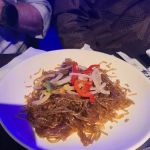 Gen Korean BBQ House4.0 (2267 reviews)
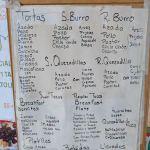 México Bakery (food truck)3.0 (11 reviews)
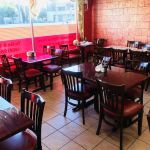 Maiwand Market4.0 (495 reviews)
 Best International Restaurant Experiences in America | Restaurant Locator
 Woman-Owned Restaurants Extending Their Hours | Restaurant Locator
 Why More Restaurants Are Offering "Late Happy Hours" for Night Owls | Late Night Dining Trends
 The Secret to Finding the Best Local Restaurants Still Open Late for Foodies
 Best International Cuisine Restaurants in the US – Top Global Dining Spots
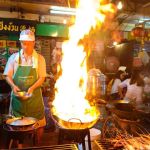 The Best Places to Find Late-Night Asian Cuisine Restaurants Near Me