Restaurant Kids Menu: Portions, Sides, and Allergy Questions
On this page
Quick answer
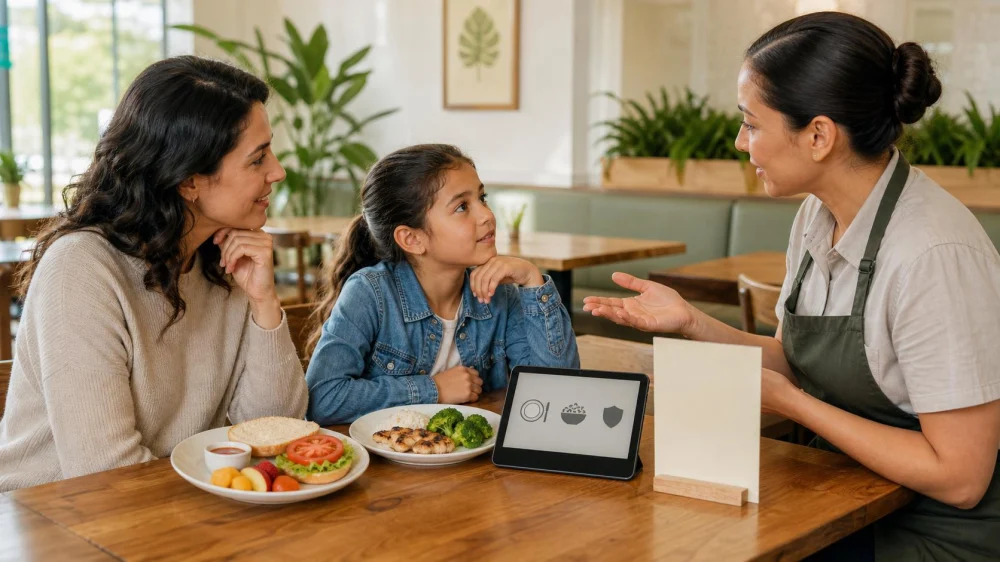
A restaurant kids menu is a service format, not a guarantee that every item fits every child’s appetite, age, nutrition needs, chewing ability, or food allergy. Check the age rule, portion, included side and drink, preparation, substitutions, and total price. For allergies, tell staff the specific allergen and ask about ingredients, shared fryers, grills, utensils, and cross-contact for the exact dish.
This guide is for families dining at restaurants in the United States. Parents and caregivers must use the child’s individual medical, developmental, and dietary guidance; a menu category cannot replace it.
Read the kids-menu format
Restaurants structure children’s options in different ways:
- Smaller entrée only: Side, beverage, or dessert costs extra.
- Fixed combination: The price includes one main, one side, and possibly a drink.
- Age-limited menu: The restaurant may set a maximum age or require dine-in purchase.
- Reduced adult dish: A smaller version may use the same recipe, or it may be simplified.
- Family sharing: The restaurant may allow a child to share an adult plate and order a side.
- Activity or novelty menu: Packaging and presentation may add cost without changing the meal.
Ask whether the kids menu is available for takeout, delivery, brunch, holidays, or special events. A third-party ordering app may show different combinations and fees from the dine-in menu.

Compare portions and sides
Use practical questions instead of assuming “kid-sized” is right:
- How many pieces, ounces, tacos, slices, or scoops come with the meal?
- Is the side included, and which alternatives carry a fee?
- Does the portion include sauce, cheese, bread, garnish, or a dip?
- Is the drink included, and what size and refill policy apply?
- Can the main be served deconstructed or sauce on the side?
- Would a half adult portion, appetizer, soup, side combination, or shared plate fit better?
Children’s appetites vary from day to day. Order enough food without turning the plate into a test. Ask for a container if appropriate, and handle perishable leftovers according to safe food-storage guidance.
“Healthier” cannot be judged from a section title alone. Preparation, sauce, portion, beverage, and the child’s overall needs matter. Families with medical nutrition concerns should follow clinician guidance.
Ask specific allergy questions
Start before ordering: “My child has an allergy to [specific food]. Can you tell me how this exact dish is prepared and how you manage cross-contact?”
Then ask about:
- Every ingredient in the main, breading, bun, tortilla, pasta, sauce, dip, seasoning, garnish, and side.
- Shared fryer oil, grill, griddle, cutting board, toaster, blender, scoops, and utensils.
- Packaged ingredients whose current label staff can check.
- Substitutions and whether removing a visible ingredient changes cross-contact risk.
- How the allergy order is marked and communicated to the kitchen.
- Who can answer when the server is uncertain.
If the restaurant cannot provide enough information or manage the risk required by the child’s allergy plan, choose another dish or restaurant. “No nuts added,” “gluten-friendly,” or an allergen icon may not address shared equipment or every ingredient.
Family ordering checklist
- Check timing. Confirm reservations, wait, kitchen close, and whether the kids menu is served at that time.
- Read the complete combination. Identify main, side, drink, dessert, refills, and fees.
- Match the child. Consider appetite, chewing, swallowing, dental appliances, sensory needs, spice, and ability to handle bones or skewers.
- Disclose allergies first. Ask about the exact dish before ordering other shared food.
- Choose serving format. Request sauce separately, food cut only when safe, or an extra plate for sharing.
- Place hot items carefully. Ask staff which plates, skillets, soups, or drinks are very hot and keep them away from reach.
- Check the delivered dish. Confirm allergy-related or requested changes with staff before the child eats.
- Keep the table safe. Move knives, toothpicks, skewers, hot vessels, glassware, cords, and heavy menus out of reach.
Limits and important safety notes
Choking: Round, hard, sticky, bone-in, skewered, or large pieces may not be appropriate for young children or those with chewing or swallowing difficulty. Active supervision and individual guidance matter more than a kids-menu label.
Allergic reaction: Follow the child’s emergency action plan and use prescribed medication as directed. Call emergency services for severe symptoms or when the plan says to do so. Do not rely on the restaurant to supply medication.
Packaged labels versus restaurant information: Federal labeling rules apply to packaged foods in defined ways, but a restaurant menu may not provide a complete ingredient label for every prepared dish. Ask staff to check source packages and preparation practices when possible.
Respect and consent: Involve the child in age-appropriate choices without pressuring them to eat unfamiliar food. Do not let entertainment, a toy, or a “clean plate” goal override safety or comfort.
Sources and evidence notes
The US Food and Drug Administration identifies nine major food allergens under federal law: milk, egg, fish, crustacean shellfish, tree nuts, wheat, peanuts, soybeans, and sesame. See the FDA’s major food allergen overview.
The FDA defines allergen cross-contact as the unintentional incorporation of an allergen into food and recognizes prevention as an important part of retail food safety. See its retail cross-contact research overview.
More than the nine major allergens can cause reactions. The child’s diagnosis and emergency plan, plus current restaurant information, determine what is safe for an individual.
Frequently asked questions
Can an older child order from the kids menu?
Policies vary. Check the stated age limit and whether the restaurant allows exceptions, smaller adult portions, or side combinations. Respect the business’s current policy.
Is a kids meal always smaller and cheaper?
No. Compare the entrée, side, drink, dessert, fees, and portion with adult-menu alternatives. A shared adult plate may be more suitable, while a fixed kids combination may be more predictable.
Does removing cheese make a dish milk-allergy safe?
Not necessarily. Milk can appear in bread, batter, sauce, butter, seasoning, or shared preparation. Ask about the complete recipe and cross-contact.
Can I bring food for a child with allergies?
Ask before arrival. Outside-food rules may reflect licensing, contamination, insurance, or venue policy. Explain the medical need and ask what accommodation is possible.
Should I ask the restaurant to cut the food?
You can ask, but kitchen cutting may not meet the child’s exact size needs and can introduce cross-contact. A caregiver may prefer to cut it at the table with clean utensils after confirming the dish.
Conclusion and next steps
Read the kids menu as a complete service offer: age rule, portion, side, drink, price, preparation, and substitutions. Match the meal to the child rather than the label. For food allergies, identify the exact allergen, ask about ingredients and shared equipment, confirm the delivered dish, and follow the child’s medical action plan without compromise.


 Tazmania food4.0 (39 reviews)
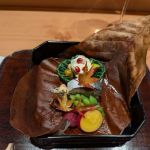 Hashiri Bettei Kaiseki Aoki4.0 (33 reviews)
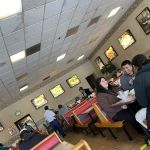 T K Noodle Inc3.0 (418 reviews)
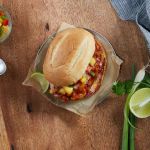 Market Cocina4.0 (3 reviews)
 Cafe Dolce Sicilia4.0 (208 reviews)
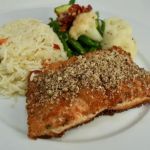 Capers Eat & Drink4.0 (525 reviews)
 Where to Find Late-Night Dinner Parties and Restaurants Hosting Events
 How to Confirm a Restaurant Patio Is Really Open Today
 Most Loved Steakhouses in Dallas: Where to Find the Best Steaks
 Best American Grill Spots in NYC
 Trendy Late-Night Food at Restaurants Featuring Local Ingredients
 Best 24/7 Fast Food Chains Offering Midnight Meals and Late-Night Snacks