Restaurant BYOB and Corkage: Ask Before Bringing Wine
On this page
- Quick answer
- Separate BYOB from corkage
- Check local law and restaurant policy
- What to confirm before the visit
- Choose an allowed bottle
- Arrive with the bottle sealed
- Understand opening and service
- Read the bill and tip thoughtfully
- Handle unfinished wine legally
- Plan for groups and events
- BYOB checklist
- Official regulatory notes
- Conclusion and next steps
Quick answer
Never assume a restaurant permits outside alcohol. Before arriving, ask whether BYOB is legal and allowed, which beverage types and bottle sizes qualify, whether reservations are required, and how corkage is charged. Confirm bottle limits, age and ID rules, prohibited labels, glassware, chilling, decanting, cake or event exceptions, and the process for unfinished wine. Bring the bottle sealed, hand it to staff on arrival, follow service directions, and review the bill before tipping.
Alcohol rules vary by state, county, city, license type, and establishment. A restaurant can set a stricter policy than local law.
ZENSHI Handcrafted Sushi
CampbellSanta Clara CountyCalifornia
950 W Hamilton Ave, Campbell, CA 95008, USA
Separate BYOB from corkage
BYOB generally means customers may bring an alcoholic beverage for on-premise consumption. The permitted category may be wine only, beer and wine, or something else under local rules.
Corkage is a service charge for handling an outside bottle. It may cover opening, glassware, chilling, decanting, and cleanup, but included services vary.
A restaurant that sells alcohol may prohibit outside bottles, while an unlicensed restaurant may or may not be allowed to permit BYOB. Do not infer policy from a search result label alone.
Hashiri Bettei Kaiseki Aoki
SaratogaSanta Clara CountyCalifornia
14417 Big Basin Wy, Saratoga, CA 95070, USA
Check local law and restaurant policy
Start with the official state or local alcohol regulator for the destination, then confirm the individual restaurant's current policy. Laws and licenses can change.
Some jurisdictions distinguish licensed restaurants from establishments without a liquor license. Others regulate hours, beverage type, source, age verification, serving, and removal of unfinished alcohol.
Even where BYOB is legal, a restaurant can decline it, limit it to certain days, exclude private events, or refuse service to an intoxicated guest.
What to confirm before the visit
Call or message the restaurant directly and record the date, staff answer, and reservation note. Ask about corkage per bottle, per person, or per table and whether tax or gratuity applies.
Confirm bottle count, volume, wine versus beer, vintage or label restrictions, magnums, sparkling wine, screw caps, and whether a bottle sold by the restaurant is excluded.
Ask about glasses, ice buckets, chill time, decanters, opener service, and whether staff must control pouring. Reconfirm for holidays, tasting menus, and private rooms.
Choose an allowed bottle
Select a bottle that fits the restaurant's rules and the meal. Avoid bringing a bottle currently offered on the restaurant's list unless the policy explicitly allows it.
Keep proof of lawful purchase if needed and do not bring homemade alcohol where prohibited. Inspect the closure and bottle for leaks or damage before travel.
Transport alcohol according to state open-container and vehicle laws. Keep a sealed bottle secured upright and out of extreme heat.
Arrive with the bottle sealed
Bring government-issued identification and ensure every person drinking is of legal age. The restaurant may check ID even when the guest supplied the bottle.
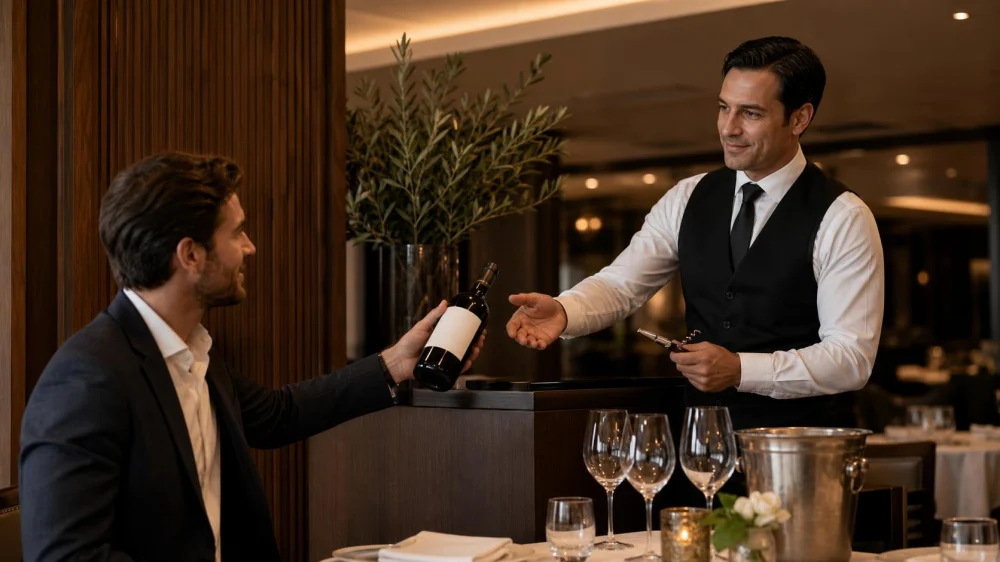
Present the sealed bottle to the host or server rather than opening it at the table. Remind staff of the reservation note and corkage policy politely.
Let staff inspect, chill, store, and open the bottle as required. Do not pass outside alcohol to another table.
Understand opening and service
A server or sommelier may present the label, remove the closure, offer a small taste, and pour. A taste checks the bottle's condition; it is not a general return policy for personal preference.
Ask before requesting decanting or special stemware because these services may be limited or separately charged.
Drink responsibly and respect a refusal or cutoff. BYOB does not remove the restaurant's duty to follow alcohol-service laws and house rules.
Read the bill and tip thoughtfully
Verify the number and amount of corkage charges before paying. Ask calmly if the fee differs from the confirmed policy.
Check whether an automatic service charge or gratuity has already been added. Corkage, tax, and service-charge treatment varies by location and bill design.
When choosing a discretionary tip, consider the full service provided, including glassware, chilling, opening, decanting, pouring, and cleanup, while following local customs.
Handle unfinished wine legally
Ask staff before removing any unfinished bottle. State law and restaurant licensing can control whether it may leave, how it must be resealed, and where it may be transported.
If removal is permitted, have staff package or reseal it as required and place it in the legally appropriate part of the vehicle. Never drink from it while driving.
Use a sober designated driver or other safe transportation. Do not pressure staff to bypass a rule because you supplied the wine.
Plan for groups and events
For large groups, confirm total bottle limits, banquet pricing, minimum spend, service staff, glassware quantity, and storage before signing an event agreement.
Assign one organizer to coordinate bottles and dietary plans. Label transport cases externally without placing sticky labels on the restaurant's glassware.
Ask whether toast pours, dessert wine, vendor delivery, and leftover pickup follow different rules. Put every agreed exception in the event contract.
BYOB checklist
- Official local alcohol rules checked
- Restaurant's current BYOB policy confirmed directly
- Allowed beverage type, size, count, and label confirmed
- Corkage amount and included service documented
- Reservation and private-event exceptions checked
- Sealed bottle transported legally and safely
- Valid ID and sober transportation plan
- Opening, pouring, and unfinished-bottle process understood
- Bill reviewed for corkage and service charges
Official regulatory notes
The Pennsylvania Liquor Control Board includes a jurisdiction-specific BYOB explanation in its legal FAQs and warns that its information is guidance rather than binding enforcement advice.
Pennsylvania's official business guide tells restaurants considering on-site BYOB consumption to contact the state liquor regulator; see the retail food business help page.
California's license-type directory illustrates why diners should verify the establishment's license and local rules instead of assuming a national policy.
Conclusion and next steps
A successful BYOB meal depends on confirmation, not assumption. Check the jurisdiction, ask the restaurant exactly what it allows, understand the corkage charge, and bring only an eligible sealed bottle. Follow staff service and unfinished-wine instructions, review the bill, and plan safe transportation. The short call before dinner prevents most surprises at the host stand.

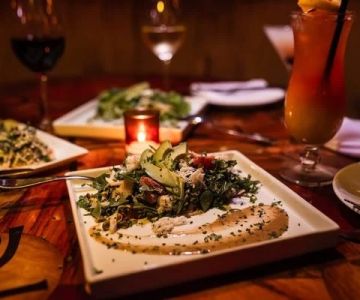
 Sri Radha's Veg Cuisine4.0 (100 reviews)
 Subway4.0 (282 reviews)
 VeLa Brunch & Thai4.0 (22 reviews)
 TOGO'S Sandwiches3.0 (153 reviews)
 The Pressroom4.0 (111 reviews)
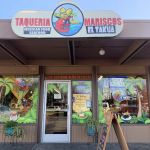 El Takua Taqueria y Mariscos4.0 (176 reviews)
 Spotlight on Local Chains: What These Restaurants Get Right When They Open New Locations
 Best Restaurants Open Late for Global Cuisines and Late-Night Meals | Restaurant Locator
 Finding Late-Night Restaurants That Serve Quality Food Quickly
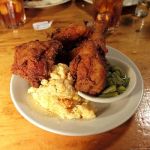 Best Southern Fried Chicken Spots in the US | Top Locations for Flavorful Fried Chicken
 Best Places for Late-Night Dining and Handcrafted Cocktails After Hours
 Stuck Deciding What to Eat? These Picks Simplify It