
Creating an Effortless Restaurant Experience: Secrets Behind Seamless Dining
- 1 - Understanding Effortless Dining
- 2 - Importance of Ambiance
- 3 - Service Quality and Attention to Detail
- 4 - Menu Design and Food Presentation
- 5 - Flow and Layout of Space
- 6 - Staff Training and Consistency
- 7 - Technology and Efficiency
- 8 - Creating Memorable Customer Experiences
- 9 - Case Studies of Effortless Restaurants
- 10 - Tips for Restaurant Owners to Achieve Effortlessness
- 11 - Recommendations and Resources
1 - Understanding Effortless Dining
Effortless dining is more than just food on a plate—it’s an experience where every element flows naturally. Patrons feel comfortable, service feels intuitive, and each visit is smooth without obvious friction. Restaurants that achieve this balance often combine thoughtful design, attentive service, and well-crafted menus that require minimal mental effort from guests.
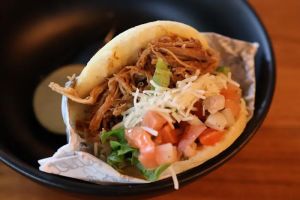
Arepas Latin Cuisine - San Jose
San JoseSanta Clara CountyCalifornia
1384 Lincoln Ave, San Jose, CA 95125, USA
2 - Importance of Ambiance
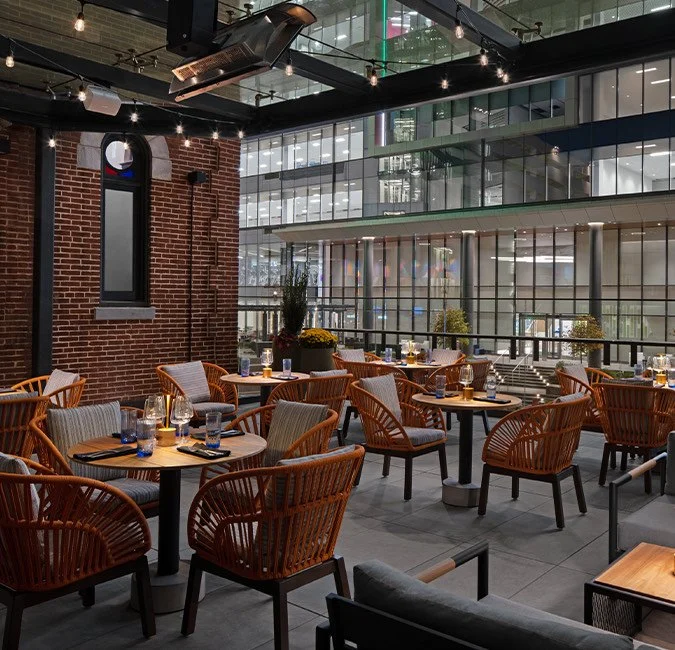
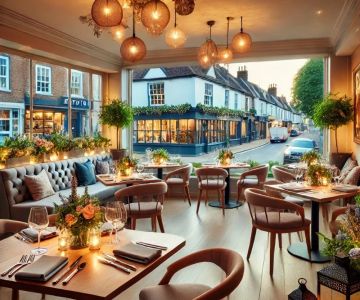
Lighting, music, and decor set the tone for how effortless a dining experience feels. Soft, natural lighting and a comfortable noise level encourage relaxation. Colors, textures, and spatial design influence mood, while subtle cues guide guests intuitively from entrance to table. A well-designed ambiance reduces stress and creates a seamless environment.
3 - Service Quality and Attention to Detail
High-quality service is crucial. Staff should anticipate needs without being intrusive, offer personalized touches, and maintain consistent timing. Small gestures such as promptly refilling drinks, knowing regular guests’ preferences, and suggesting menu items with confidence enhance the effortless feeling. Staff coordination behind the scenes ensures visible efficiency at the table.
4 - Menu Design and Food Presentation
A well-curated menu simplifies decision-making, offering clear categories and highlights of chef specialties. Descriptions should be precise yet inviting, and portion sizes consistent. Food presentation complements this—beautiful, thoughtful plating communicates quality and effort while keeping the dining experience stress-free and enjoyable.
5 - Flow and Layout of Space
Tables should be arranged to optimize comfort, privacy, and movement. Walkways allow servers to navigate easily without disrupting guests. Open kitchens or visible preparation areas can add transparency and entertainment without congestion. The spatial flow contributes to the restaurant feeling natural and effortless for diners.
6 - Staff Training and Consistency
Consistent training ensures every staff member contributes to the effortless atmosphere. From greeting guests warmly to managing timing of courses, each interaction should feel intuitive. Cross-training allows seamless operations even during busy hours. Consistency builds trust and enhances the perception of ease.
7 - Technology and Efficiency
Smart use of technology—such as mobile ordering, reservation management, and kitchen display systems—reduces delays and errors. Technology should support, not replace, human interaction. When implemented thoughtfully, it allows staff to focus on personalized service while maintaining operational efficiency, contributing to an effortless experience.
8 - Creating Memorable Customer Experiences
Effortlessness also comes from experiences that delight guests. Personalized notes, celebrating milestones, or offering small complimentary touches create memories without disrupting flow. The combination of efficiency and warmth leaves guests feeling valued, fostering loyalty and positive reviews.
9 - Case Studies of Effortless Restaurants
Restaurants like Le Couvent in Boston or Attaboy in New York illustrate effortless dining through minimalistic design, attentive but unobtrusive service, and menus that balance creativity with clarity. Observing their operations reveals how strategic attention to detail enhances the sense of ease and enjoyment.
10 - Tips for Restaurant Owners to Achieve Effortlessness
- Invest in staff training and clear protocols.
- Design spaces for intuitive movement and comfort.
- Curate menus with clear categories and highlights.
- Incorporate technology to streamline service and reduce wait times.
- Pay attention to ambiance, including lighting, acoustics, and decor.
- Encourage small personalized touches for memorable experiences.
11 - Recommendations and Resources
For restaurant owners and managers seeking guidance, resources like Dine Droop provide insights on operational strategies, design principles, and customer experience enhancements. Implementing these best practices can transform a restaurant into a space that feels effortlessly welcoming while maintaining quality and efficiency.


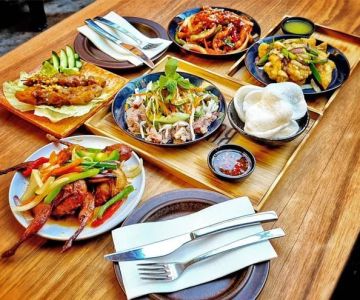

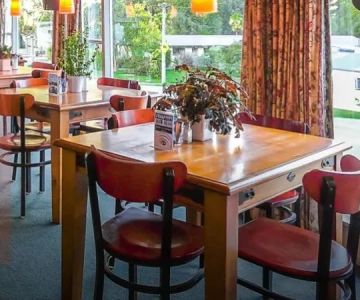
 Aqui Willow Glen4.0 (2557 reviews)
 Thai Chili Express4.0 (226 reviews)
 Famous Dave's Bar-B-Que4.0 (1862 reviews)
 La Catalana4.0 (1080 reviews)
 Yakini Q SJ4.0 (615 reviews)
 Nippon Curry San Jose4.0 (18 reviews)
 The Best Places to Find Artisan Pizza Late at Night in Your City
 The Top 10 Trendiest Restaurants Open Late That You Need to Try
 Spotlight on Local Chains: What These Restaurants Get Right When They Open New Locations
 Best Fried Chicken in Chicago – A Guide to Must-Try Spots
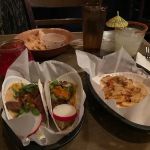 Affordable Eats After Dark: The Best Late‑Night Restaurants for Under $20
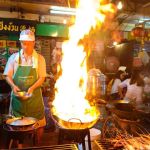 The Best Places to Find Late-Night Asian Cuisine Restaurants Near Me