

- 1-Understanding the Shifting Landscape of Dining Hours
- 2-Consumer Habits Driving Changes in Restaurant Hours
- 3-The Role of Technology in Expanding Restaurant Hours
- 4-The Rise of New Business Models for Restaurant Hours
- 5-Why Restaurants Should Consider Expanding Their Hours in 2025
1. Understanding the Shifting Landscape of Dining Hours
As we move into 2025, restaurant hours are evolving to meet the demands of modern diners. Restaurants have traditionally operated within set hours, usually catering to breakfast, lunch, and dinner times. However, a variety of trends are now pushing restaurants to rethink their operating hours and expand beyond traditional service times. These changes reflect shifts in consumer expectations, technology, and new business models that are reshaping the food service industry.
The modern diner no longer adheres strictly to the usual mealtime schedule. As consumers increasingly demand more flexibility, many restaurants are recognizing the potential to increase revenue by staying open longer or introducing new service periods, such as late-night menus or all-day breakfast offerings. In this article, we will explore some of the key trends that are driving restaurants to expand their hours in 2025.
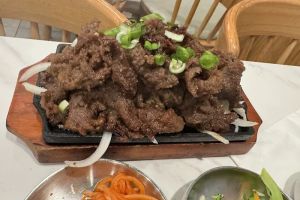
Jeonju Hostetter
San JoseSanta Clara CountyCalifornia
1698 Hostetter Rd siteD, San Jose, CA 95131, USA
2. Consumer Habits Driving Changes in Restaurant Hours
Consumer behavior is one of the most significant factors influencing restaurant hours. In the past, meal times were fixed, with diners visiting restaurants for set periods throughout the day. Today, however, a combination of work-from-home arrangements, busy schedules, and evolving dining habits have altered how and when people dine out.
One of the primary drivers behind expanded restaurant hours is the growing demand for convenience. Consumers are no longer willing to limit themselves to traditional dining hours. Late-night dining, weekend brunches, and extended weekday hours are becoming increasingly popular. As people work longer hours or have more flexible schedules, they expect to find restaurants that cater to their needs at all hours of the day. This shift in expectations is prompting many restaurants to extend their hours in order to remain competitive and meet consumer demand.

Sarku Japan
Santa ClaraSanta Clara CountyCalifornia
2855 Stevens Creek Blvd Space FC-4, Santa Clara, CA 95050, USA
3. The Role of Technology in Expanding Restaurant Hours
Technology is playing a major role in helping restaurants expand their hours without significantly increasing operational costs. For example, innovations in online ordering and delivery services have allowed restaurants to reach customers during off-hours. With services like DoorDash, UberEats, and Grubhub, restaurants can now offer delivery or takeout during traditionally closed hours, enabling them to serve customers without needing to have a full staff in the restaurant.
Additionally, point-of-sale systems (POS) and scheduling software help restaurant owners optimize staffing, allowing them to open for longer periods without sacrificing quality or service. Automation tools for kitchen operations and inventory management have also made it easier for restaurants to expand hours while maintaining efficiency. These technological advancements are enabling restaurants to offer more flexible hours and remain profitable, even during traditionally low-traffic periods.
4. The Rise of New Business Models for Restaurant Hours
Along with shifting consumer habits and technology, new business models are emerging that are redefining how restaurants operate. Many eateries are experimenting with hybrid concepts, where they combine breakfast, lunch, dinner, and even late-night offerings under one roof. Restaurants that previously served only dinner are now expanding to serve lunch or brunch, creating new revenue streams and attracting more customers throughout the day.
Another innovative model is the use of shared or pop-up spaces. Restaurants may open in non-traditional settings, such as coworking spaces, airports, or even food trucks, offering services outside of traditional dining hours. These new models allow restaurants to tap into new customer bases, including travelers, remote workers, and late-night crowds, while also expanding their hours.
For example, some restaurants have implemented late-night menus specifically catering to the growing popularity of night owls and the nightlife scene. Whether it’s a cocktail bar offering small bites or a diner serving late-night breakfast, these adaptations reflect the desire for flexible and extended hours that align with the needs of today’s diners.
5. Why Restaurants Should Consider Expanding Their Hours in 2025
Expanding restaurant hours can offer numerous benefits to restaurant owners, both in terms of increased revenue and improved customer satisfaction. Here are a few reasons why restaurants should consider extending their hours in 2025:
- Increased Revenue – By staying open during off-peak hours, restaurants can generate additional revenue without the need for significant capital investment. Extended hours can help restaurants reach customers who may not be able to dine during traditional meal times.
- Competitive Advantage – Restaurants that adapt to changing consumer needs are more likely to stand out in a crowded marketplace. Offering flexible hours allows a restaurant to differentiate itself and capture a larger share of the market.
- Improved Customer Loyalty – Meeting the needs of customers who have non-traditional schedules can foster customer loyalty. When diners know they can rely on a restaurant to be open when they need it, they are more likely to return and recommend the restaurant to others.
- Better Utilization of Resources – Expanding hours may also help better utilize restaurant space and staff. For example, a restaurant that only serves lunch can increase its productivity by offering dinner service, thereby spreading fixed costs over more hours of operation.
In conclusion, restaurants in 2025 have a wealth of opportunities to expand their hours in response to changing consumer habits, technological advancements, and evolving business models. By adapting to these trends, restaurants can stay competitive, increase their revenue, and meet the growing demand for flexible dining options. For more insights on finding the best dining spots or expanding your restaurant’s hours, visit Restaurant Locator for helpful resources and recommendations.




 Sixth Street Burger4.0 (183 reviews)
 The Bengali Food5.0 (4 reviews)
 The Meltdown2.0 (8 reviews)
 Locanda Ischia4.0 (24 reviews)
 Mariscos el Aguachile 84.0 (20 reviews)
 TenderFix by Noah Schnapp1.0 (2 reviews)
 How to Locate Restaurants Open Near Me That Offer Free Parking
 Discover the Best Places to Get a Late-Night Sandwich at Restaurants Open Near Me
 Best Late-Night Sushi Spots in the US for Fresh Rolls and Sashimi
 Discover Restaurants That Serve Comfort Food and Stay Open Late on Sundays
 Where to Find Late-Night Restaurants with a Focus on Local Organic Ingredients
 How to Find Late‑Night Dining Spots with Great Views and Ambience